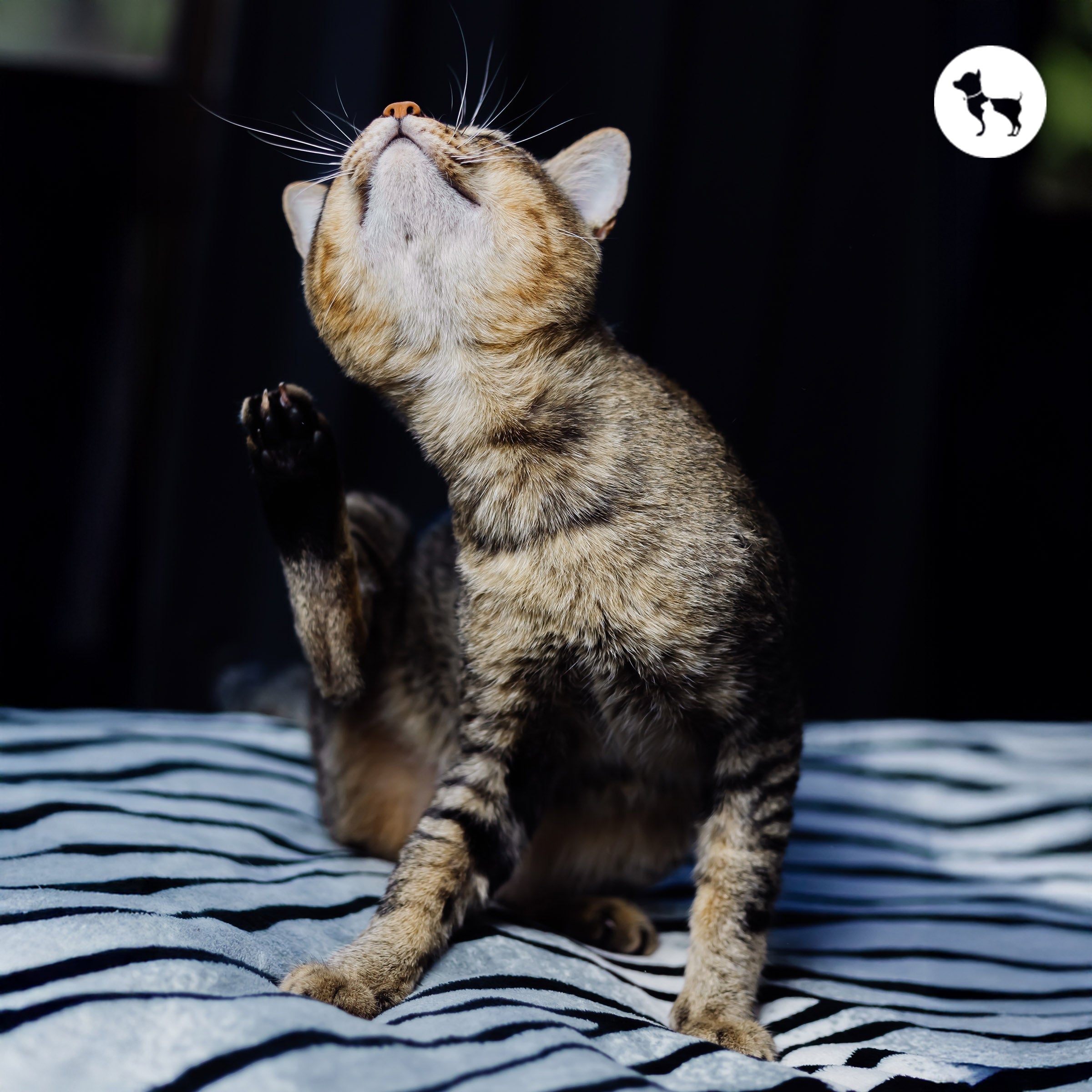
Allergies in cats can be tricky to spot. One day, your feline is happily napping, and the next, they’re scratching, sneezing, or acting just a little “off.” Because the signs can look like many other everyday issues, pet parents often miss the early clues, and that’s when discomfort quietly builds up for your cat.
In this blog, we will break down the symptoms, common triggers, and simple home treatments that actually help. With a bit of awareness and the right care, you can keep your cat comfortable, calm, and allergy-free!
Yes, cat allergies are more common than most pet parents realise. Many cats react to everyday things, such as dust, pollen, food, cleaning products, certain foods, or even flea bites. Because these triggers are around us all the time, it’s easy for allergies to show up at any age.
The key is noticing the early signs and knowing what’s normal versus what needs attention, so your cat can stay comfortable and stress-free.

Cats can develop allergies to a surprising range of everyday things, and each type affects the body in a slightly different way. Understanding these categories makes it much easier to spot what might be bothering your feline.
This is one of the most common allergies in cats. Even a single flea bite can trigger an intense reaction. You may notice constant scratching around the tail, sudden hair loss, or tiny scabs on the skin. Since fleas can multiply quickly, untreated FAD can lead to severe discomfort and sinus infections if ignored.
Food allergies occur when your cats react to a specific ingredient, usually animal proteins such as beef, fish, chicken, or dairy products. Some cats can also respond to grains or additives. Food allergies often show up as skin irritation, frequent ear infections, and gastrointestinal issues like vomiting or diarrhoea.
These are less common but still possible. A contact allergy happens when your cat’s skin reacts to something they physically touch - for example, a new blanket, a certain type of cat litter, carpets, shampoos, or plastic bowls. Symptoms usually appear on areas that make direct contact, like the chin, belly, or paws, and improve once the irritant is removed.
These allergies are caused by environmental factors, such as dust mites, pollen, mould, fabric fibres, or even strong-smelling cleaning products. Cats with atopy often show symptoms like frequent itching, redness around the face or paws, watery eyes, or sneezing. Because these allergens are hard to avoid completely, symptoms may come and go depending on the season or what your cat is exposed to indoors.
Some cats develop allergic skin reactions to medications, either topical, oral, or injectable. These reactions can appear as widespread redness, bumps, scabs, or sudden hair loss. Stopping the triggering medication typically leads to improvement, but always do this under veterinary guidance.
This allergy affects the respiratory system, causing inflammation in the airways. Cats may cough, wheeze, breathe rapidly, or show signs of respiratory distress. Common triggers include dust, smoke, aerosols, and pollen. Feline asthma requires prompt veterinary care and long-term management to control symptoms effectively.

Allergies in cats typically begin when their immune system becomes overly sensitive to something in their surroundings. This “trigger” can be anything from what they eat to what they breathe in, and even small exposures can lead to noticeable reactions over time.
Fleas are the most common culprits, but it’s not the insect itself; it’s the saliva left behind after a bite. Some cats develop an exaggerated immune response to this, which leads to intense itching and inflammation.
Food-related allergies usually develop gradually. A cat may eat the same ingredient for months or years before their body suddenly begins to reject it. Most reactions stem from animal proteins, but cats can also react to fillers, flavour enhancers, or preservatives. This type of allergy often affects both the skin and digestive system at the same time.
Many cats react to tiny particles floating around in the air. Pollen from plants, microscopic dust, mould growing in damp corners, or even residue from household sprays can trigger irritation.
Some allergens target the respiratory system instead of the skin. Dust, cigarette smoke, aerosol sprays, incense, and strong fragrances can inflame a cat’s airways. This inflammation may lead to coughing, wheezing, or signs of asthma. These reactions often worsen in enclosed rooms or areas with poor ventilation.
Some cats develop reactions when their skin comes into contact with a specific material. This may include new bedding fabrics, synthetic carpets, harsh floor-cleaning chemicals, plastic feeding bowls, or certain grooming shampoos.
In rare situations, a new medication or a topical treatment (like a spot-on product) can overstimulate the immune system. These reactions range from mild redness at the site to widespread skin issues. The response usually begins soon after starting the medication, which helps link the cause quickly.
Here are some common cat allergy symptoms:
Excessive itching, scratching, or over-grooming
Red, irritated, or inflamed skin
Frequent head shaking or recurring ear infections
Small scabs, sores, or bald patches
Sneezing, coughing, or watery eyes
Vomiting, diarrhoea, or digestive discomfort
Wheezing or difficulty breathing
Swollen paws or constant paw licking
Runny nose or nasal congestion

When symptoms keep returning or don’t improve with basic care, vets may recommend specific tests to uncover what’s actually triggering your cat’s allergy. These tests help narrow down the exact cause so treatment becomes easier and more effective.
Physical Examination: First step where the vet checks the skin, ears, coat condition, and overall symptoms.
Flea Comb Test: Used to detect fleas or flea dirt, helping rule out flea-related allergies.
Elimination Diet Trial: A strict diet using a single protein or hydrolysed food to pinpoint food allergies.
Intradermal Skin Testing: Tiny amounts of allergens are injected under the skin to see which ones cause a reaction, often used for environmental allergies.
Serum Allergy Test (Blood Test): A blood sample is analysed to identify sensitivities to pollen, mould, dust mites, and other environmental triggers.
Skin Scrapings & Cytology: Helps rule out infections or parasites that can mimic allergy symptoms.
While veterinary guidance is essential, several simple home care steps can ease your cat’s discomfort and support their recovery as you manage their allergies.
Keep your home clean and dust-free to reduce exposure to common environmental triggers.
Wash your cat’s bedding regularly with mild, fragrance-free detergents.
Use an air purifier to minimise airborne allergens like pollen, dust, and mould.
Switch to hypoallergenic or fragrance-free cleaning products to prevent skin irritation.
Try a vet-approved hypoallergenic or limited-ingredient diet for suspected food allergies.
Maintain strict flea control to prevent flare-ups related to flea bites.
Offer soothing baths with vet-recommended, gentle shampoos for itchy or irritated skin.
Provide a calm, stress-free environment, as stress can sometimes worsen allergic reactions.
Monitor your cat closely for any changes and note patterns to help guide long-term management.
Managing your cat’s allergies can feel overwhelming at times, but with the right care and attention, you can help them stay comfortable and happy. From cosy beds that create a safe retreat to carefully chosen food and grooming products, small thoughtful changes make a big difference.
For trusted options designed with your cat’s well-being in mind, you can explore the range of products available on HUFT, crafted to support every step of your furry friend’s health journey!
Cats with allergies often show symptoms like itching, redness, hair loss, sneezing, or digestive upset. However, these signs can overlap with other conditions, so a veterinarian’s diagnosis is essential.
Food allergies are typically diagnosed through an elimination diet trial, where your cat eats a limited-ingredient or novel protein diet for several weeks to see if symptoms improve.
Never give your cat medications without veterinary advice, as many human drugs can be toxic to cats.
If your cat is constantly scratching, has hair loss, persistent ear infections, or respiratory issues, it’s important to consult a vet for proper diagnosis and treatment.
Yes, environmental allergens can cause allergic bronchitis or feline asthma, leading to coughing, wheezing, and breathing difficulties.


 Dog
Dog
 Cat
Cat


 Youtube
 Facebook
 Instagram
 Linkedin