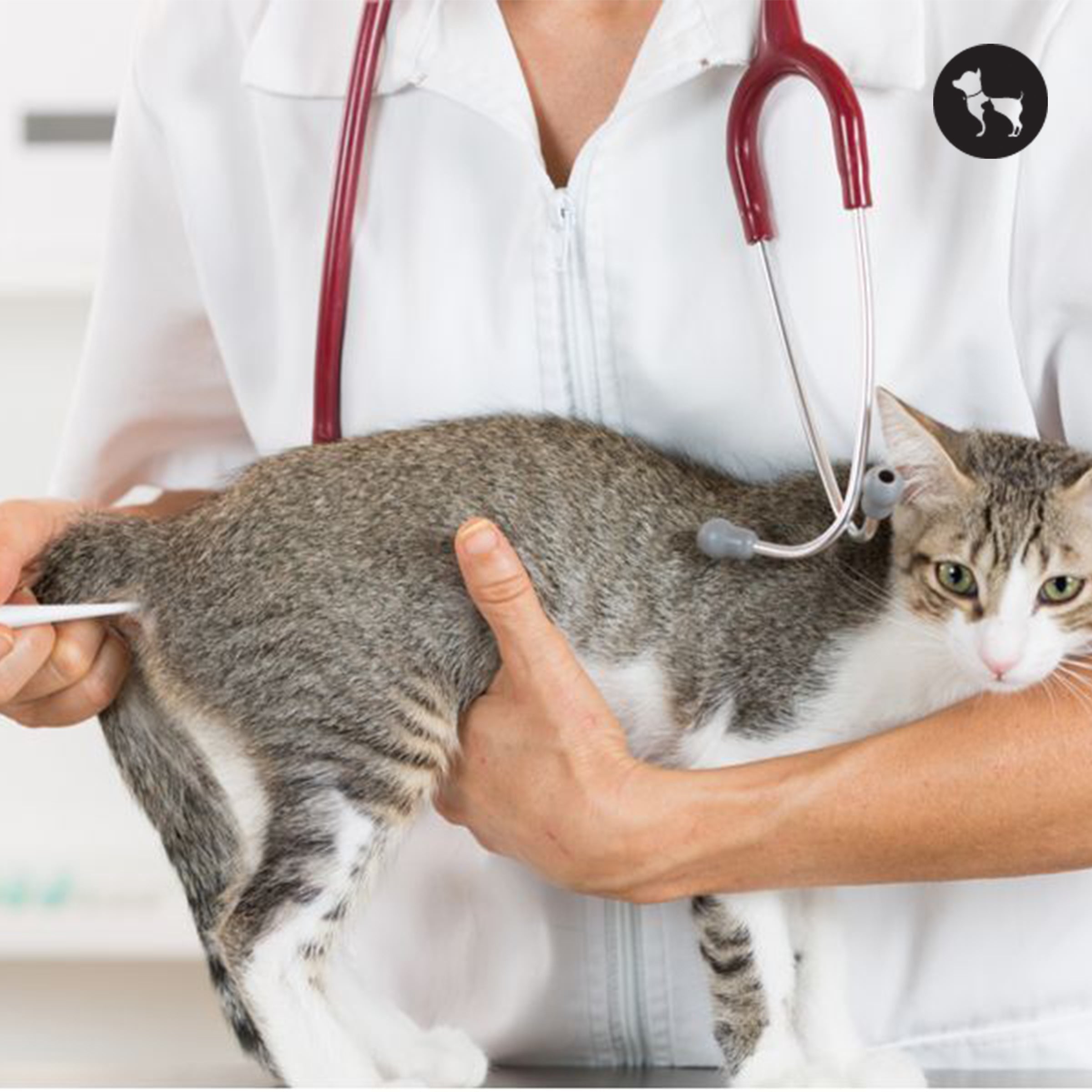
If your cat suddenly feels warmer than usual, looks unusually sleepy, or hides in corners, your first thought is often, "Does my cat have a fever?" then you are not alone. Fever in cats is one of the most common concerns among pet parents, and because cats are experts at hiding discomfort, spotting a fever early can make a huge difference.
This guide breaks down everything you should know, from signs to real causes, when home care is safe, when to rush to the vet, and how to support your cat’s recovery.
Fever in cats is their body’s natural way of fighting off infections, inflammation, or illness. A normal cat's body temperature ranges between 38°C and 39.2°C. Anything higher is considered a fever.
Fevers aren’t always bad; they’re actually your cat’s way of saying, “Hey, I’m doing internal maintenance. Please stand by.” The real concern is when the fever goes high or stays too long.
Normal cat temperature: 100.5°F-102.5°F (38°C-39.2°C)
Fever threshold: Anything above 103°F (39.4°C)
Emergency fever: 105°F (40.5°C) and above

Here are some common symptoms of fever in cats:
Warm Ears, Paws, or Belly
Lethargy or Low Energy
Loss of Appetite
Shivering or Trembling
Dehydration
Hiding or Avoiding Contact
Fast Breathing or Panting
Vomiting or Diarrhoea
A fever is usually a sign that your cat’s immune system is fighting something. It isn’t a disease by itself; it’s a response. Understanding the possible causes can help you act quickly and get your cat the right care.
Viruses are one of the top causes of fever in cats, especially in kittens or cats with weaker immunity. Some common ones include:
Feline calicivirus (FCV): often linked to mouth ulcers, sneezing, and congestion
Feline herpesvirus (FHV): causes runny eyes, nasal discharge, and respiratory issues
Feline leukaemia virus (FeLV): suppresses immunity and may cause chronic fever
Feline infectious peritonitis (FIP): a serious viral disease associated with high, persistent fever
Bacteria can enter the body through wounds, abscesses, dental infections, or internal issues such as pneumonia and urinary tract infections.
Outdoor cats, unneutered males, or community cats are at higher risk because they’re more likely to fight or get scratched. These infections often cause sudden fever, swelling, pus formation, or difficulty eating/moving.
Ticks, fleas, and mites aren’t just annoying; some transmit diseases that trigger fever. Tick-borne illnesses (more common than many realise) can severely impact the immune system. Severe flea infestations can also cause anaemia, leading to weakness and fever.
Conditions that cause internal inflammation may lead to prolonged fever. Some examples include:
Pancreatitis
Inflammatory bowel disease (IBD)
Immune-mediated conditions where the immune system attacks the body’s own cells
These are usually accompanied by vomiting, diarrhoea, weight loss, or low energy.
Certain substances trigger inflammation or organ damage, leading to fever. These may include:
Toxic houseplants
Human medications
Chemical cleaners
Some essential oils (like tea tree and eucalyptus)
Certain pesticides
Toxin-related fever is often accompanied by drooling, vomiting, tremors, or sudden lethargy, causing an emergency.
Cats don’t tolerate extreme heat well. In hot and humid climates, overheating can be dangerous.
Cats left in poorly ventilated rooms, exposed to direct sunlight, or without access to water may develop a high body temperature that mimics fever but can actually be life-threatening heatstroke.
A mild fever within the first 24-48 hours after surgery is normal as the body heals. But if the fever continues or rises, it may suggest:
A reaction to medication
Surgical site infection
Internal inflammation
Always follow post-operative check-ups as advised by your vet.

Yes, but only in mild cases. A mild fever can sometimes be managed at home, especially if your cat is hydrated and not showing alarming symptoms. However, home care is supportive only; it doesn’t replace medical treatment when the fever is high, persistent, or linked to an infection.
Here’s how you can safely help your cat feel better while monitoring their condition closely.
Fever causes rapid dehydration, which can make your cat feel even weaker. Encourage fluid intake by keeping multiple fresh water bowls around the house or switching to a cat water fountain if your pet prefers running water.
Wet food also adds moisture to the diet, and you can offer pet-safe broth (never salty or seasoned) to help them drink more. Adequate hydration is one of the simplest yet most effective ways to support recovery.
Cats with fever often seek cool spots. To help them regulate their temperature, keep them in a well-ventilated room, switch on a fan, or open windows if the weather is pleasant. Avoid direct air conditioning, as sudden cold air can cause discomfort. A cool, calm environment helps reduce stress and bring the fever down gently.
A soft, damp cloth wiped gently over your cat’s paws, ears, and belly helps minimise heat. These areas have thinner skin, so cooling them provides relief without causing shock. Never use ice packs or freezing water, as they can constrict blood vessels and actually raise internal body temperature.
Cats with a fever often lose their appetite. Warming wet food slightly (just above room temperature) increases aroma and encourages eating. Easy-to-digest, soft meals help maintain energy levels and support the immune system. Feeding small, frequent meals is much easier on a sick cat’s stomach.
Stress can worsen symptoms. Provide a cosy, familiar resting spot away from loud noises, visitors, or other pets. Allow your cat to rest as much as needed, as good sleep is essential for healing. Gentle reassurance will help your cat feel safe while recovering.
A Critical Warning About Medication: Never give human medicines such as paracetamol, ibuprofen, aspirin, or cold/flu syrups. These are highly toxic to cats and can cause liver failure, internal bleeding, or death.
If the fever rises above 103°F (39.4°C), lasts more than 24 hours, or is accompanied by vomiting, seizures, breathing difficulty, or complete loss of appetite, this becomes an emergency, and you must see a vet immediately.

Home treatment is NOT enough if:
Temperature is above 104°F (40°C)
Fever lasts more than 24 hours
Refuses food for 24 hours
Shows vomiting, diarrhoea, or breathing issues
Seems disoriented, wobbly, or extremely weak
Is a kitten under 4 months old
You suspect poisoning
Cat fever can be worrying, but early observation, gentle home support, and timely vet care make a huge difference in recovery. Whether your cat needs hydration, environmental comfort, parasite prevention, or a complete hygiene reset, staying prepared as a pet parent keeps your feline safe and healthy.
And if you prefer keeping all your cat supplies - from grooming essentials to soothing products and everyday care items in one reliable place, Heads Up For Tails makes it easy. You can find everything online or visit the nearest HUFT store for expert assistance and thoughtfully curated pet essentials!
Stress alone doesn’t cause fever, but it can amplify the signs of illness. Cats under stress may hide more or refuse food, making it harder to spot fever symptoms.
Offer soft, warm, aromatic foods to encourage eating. Wet food, broth, or recovery diets are good options. Avoid forcing food if your cat refuses to eat. If appetite drops for over a day, consult a vet.
The most reliable way is to use a digital pet thermometer, as touch alone can be misleading. Look for signs such as low appetite, lethargy and warmer-than-usual ears. If the temperature crosses 103°F, it’s officially a fever.
Yes. Parasite-borne infections like haemoplasma and tick fever can raise the temperature. Regular flea and tick prevention is essential for indoor and outdoor cats.
If you have multiple cats, a quiet, separate space helps limit stress and prevents the possible spread of infections. Make sure the area is cool, clean and comfortable.


 Dog
Dog
 Cat
Cat


 Youtube
 Facebook
 Instagram
 Linkedin