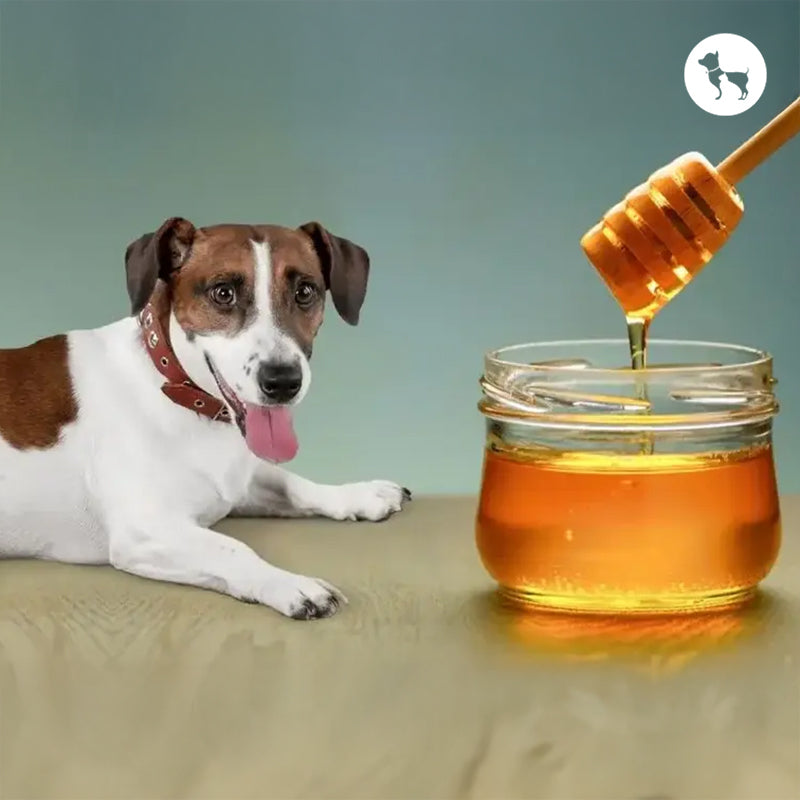
As pet parents, it’s natural to wonder if everyday human foods are safe to share with our dogs. Honey is one such ingredient that often sparks curiosity. It’s natural, packed with goodness, and widely used for its health benefits in people. But does that mean dogs can enjoy it too? The short answer is yes - dogs can have honey, but only in the right amount and under the right circumstances.
Let’s break down what honey actually does for dogs, when it can be helpful, and when it’s better to avoid it.
Honey is generally safe for healthy adult dogs when given in small quantities. It’s a natural sweetener made by bees and contains simple sugars, antioxidants, enzymes, and trace nutrients.
However, honey should always be treated as an occasional supplement, not a daily staple. Dogs don’t need added sugars in their regular diet, and overuse can do more harm than good.

When used thoughtfully, honey can offer a few gentle health benefits for dogs.
Natural Energy Boost: Honey contains natural sugars like glucose and fructose, which provide quick energy. This can be useful for active dogs, working breeds, or dogs recovering from illness who need a mild energy lift.
May Help with Seasonal Allergies: Some pet parents use locally sourced honey to help dogs adapt to environmental allergens. The idea is that exposure to trace pollen may support gradual tolerance. While results vary and research is limited, some dogs do show reduced allergy symptoms over time.
Supports Digestive Health: Raw honey contains enzymes and prebiotics that may help support gut health. In small amounts, it can aid digestion and promote healthy gut bacteria, especially in dogs with mild digestive sensitivity.
Antioxidant Properties: Honey contains antioxidants that help neutralise free radicals in the body. These compounds support overall cellular health and can be beneficial for ageing dogs when used sparingly.
Soothes Coughs and Throat Irritation: Honey’s natural coating and antimicrobial properties may help soothe mild throat irritation or coughing. However, it should never replace veterinary treatment for persistent respiratory issues.
 Despite its benefits, honey isn’t suitable for every dog or every situation.
High Sugar Content: Honey is still sugar. Too much can contribute to weight gain, dental issues, and blood sugar spikes, particularly in small or sedentary dogs.
Not Safe for Diabetic Dogs: Dogs with diabetes should avoid honey altogether. Even small amounts can disrupt blood sugar regulation and lead to complications.
Puppies Should Avoid Honey: Raw honey may contain bacterial spores that adult dogs can usually handle, but puppies cannot. Their developing immune systems make them more vulnerable, so honey is best avoided until they’re fully grown.
Risk of Digestive Upset: Excess honey can cause stomach upset, diarrhoea, or vomiting. Introducing it too quickly or in large amounts increases this risk.
Honey should never be given daily. Once or twice a week is more than enough, and only if your dog tolerates it well. Moderation is everything when it comes to honey.
Small dogs: A few drops to ¼ teaspoon occasionally
Medium dogs: Up to ½ teaspoon occasionally
Large dogs: Up to 1 teaspoon occasionally
Honey can be offered in simple, safe ways:
Mixed into food in very small amounts
Combined with plain yoghurt as an occasional treat
Added to homemade dog treats
Used sparingly to coat a pill if needed
Always choose pure, raw, unprocessed honey with no added sugars or flavourings. Avoid honey products that contain xylitol or artificial sweeteners, as these are highly toxic to dogs.
Honey should not be given if your dog:
Has diabetes or obesity issues
Is a puppy
Has a known sensitivity to sugar
Is experiencing ongoing digestive problems
If your dog has any medical condition, it’s always best to check with a veterinarian before introducing honey.
Honey can be a safe and beneficial addition to a dog’s routine when used thoughtfully and in moderation. It offers mild digestive support, antioxidants, and occasional energy, but it’s not suitable for every dog or daily use. Understanding your dog’s individual needs is key before sharing even the most natural foods.
For pet parents looking to build a well-rounded routine, HUFT offers thoughtfully designed essentials, from wholesome food and nutritious treats to toys, bedding, grooming supplies, and supplements. We make it easier for pet parents to support their dog’s health at every stage of life, with love & care!
No. Honey should only be given occasionally. Daily consumption adds unnecessary sugar to a dog’s diet and may lead to weight gain or digestive issues over time.
Yes, in very small quantities. Honey can be mixed into food occasionally, but it should never replace balanced dog food or become a regular topping.
No. Puppies should not be given honey due to the risk of bacterial spores that their immature immune systems may not handle well.
Start with a tiny amount and observe your dog for any digestive reactions. If there are no issues, it can be offered occasionally in measured portions.


 Dog
Dog
 Cat
Cat


 Youtube
 Facebook
 Instagram
 Linkedin