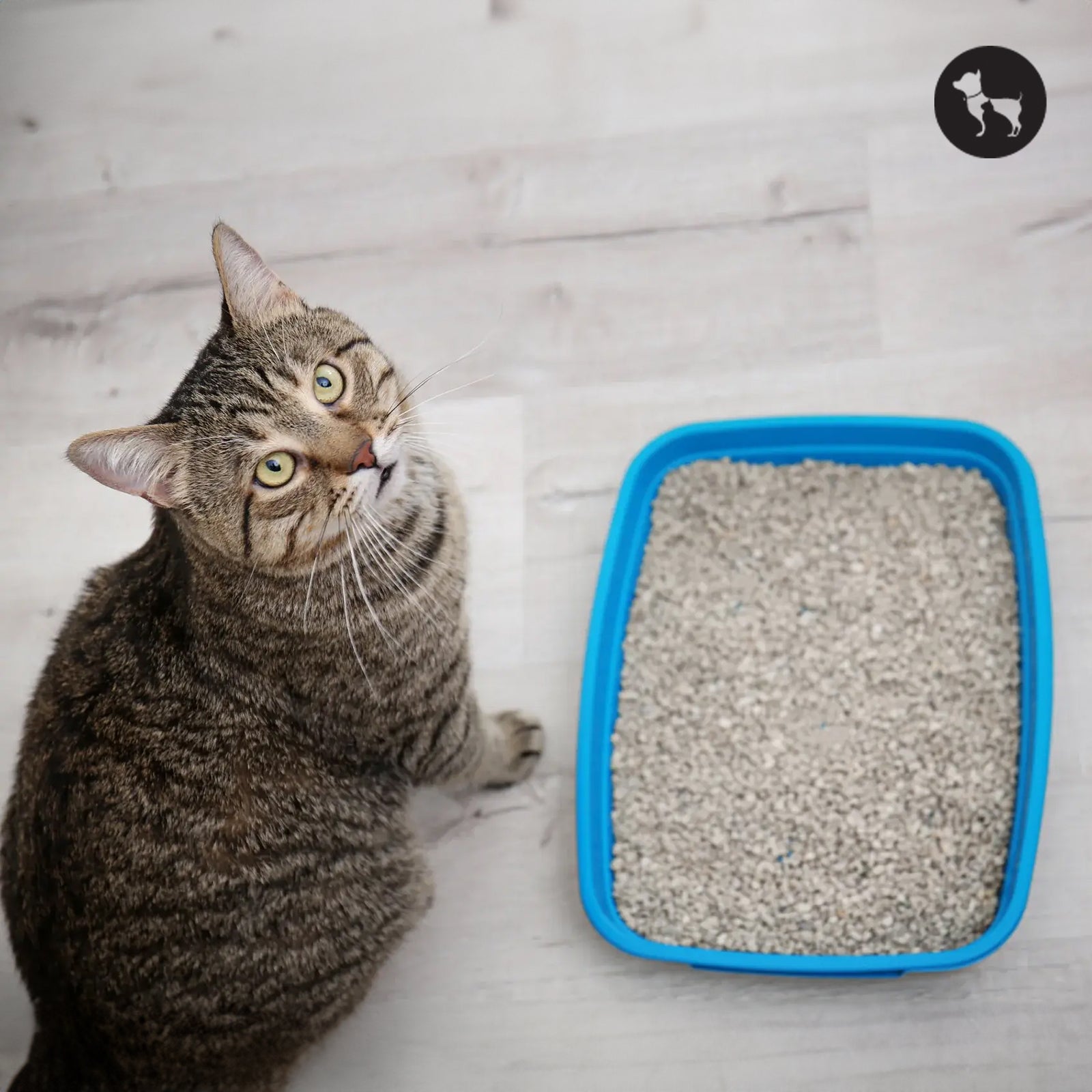
Living with a cat in a small apartment means making the most of every inch. Finding a spot for the litter box can be a challenge, as it has to be easy for your cat to use, simple for you to clean, and discreet enough not to dominate your living space.
The modern litter boxes are designed with small spaces in mind. From corner-fit models and top-entry designs to covered trays that double as furniture, there are plenty of options that keep your cat comfortable while saving space.
If you want a clean, odour-controlled litter area that fits neatly into your apartment, this blog will help you find the best space-saving cat litter boxes tailored for compact homes.

A compact home leaves little room for mistakes when it comes to litter box placement.
Here are the biggest reasons why the right design can make daily life easier:
In smaller apartments, smells travel quickly. A well-designed litter box with proper ventilation, covered sides, or enclosed construction can help reduce lingering odours.
Cats often kick litter outside the tray while digging or covering waste. Space-saving litter boxes usually come with higher walls, enclosed tops, or anti-tracking features to minimise mess.
Cats need privacy and enough room to move comfortably. Even in a small home, your cat should never feel cramped or stressed while using the litter box.
Compact designs fit more naturally into apartments. You can place them beside a washing machine, inside a bathroom corner, under a console table, or even within specially designed cat furniture.

Before choosing a litter box, it helps to understand what actually makes one apartment-friendly.
Here are some important features worth considering:
A litter box may look small from the outside, but it should still allow your cat to turn around comfortably. Cats dislike feeling trapped while using the tray.
Covered litter boxes help contain smells and reduce litter scatter. They also give shy cats more privacy, especially in busy homes.
Triangular or curved designs fit neatly into unused apartment corners and free up walking space.
Top-entry litter boxes work well in apartments because they reduce litter tracking. Cats jump in and out from the top, which helps keep loose litter contained.
In smaller homes, cleaning needs to be quick and manageable. Smooth plastic surfaces and removable tops make maintenance simpler.
Some enclosed litter boxes come with carbon filters or ventilation systems that help control smells more effectively.
Different cats have different preferences, and the layout of your apartment also matters.
Here are some of the best litter box styles for compact living.
Corner litter boxes are designed to fit snugly into room corners without wasting space.
These are ideal for:
Studio apartments
Compact bathrooms
Laundry corners
Balcony utility areas
Many corner models are covered, which adds extra privacy while helping reduce odours and litter scatter.
They are especially useful for pet parents who want the litter area to feel less intrusive in the room.
Top-entry litter boxes have become increasingly popular in small apartments.
The enclosed design helps:
Reduce litter tracking
Minimise odours
Prevent dogs from accessing the litter
Keep the area looking cleaner
These work best for agile adult cats that are comfortable jumping in and out. However, they may not be suitable for senior cats or kittens with mobility issues.
If you want the litter box to blend seamlessly into your apartment décor, hidden litter box furniture is worth considering.
These designs look like:
Side tables
Cabinets
Benches
Storage units
Inside, they contain a concealed litter tray with a small cat entrance.
They are excellent for:
Living rooms
Bedrooms
Home offices
This option is particularly useful for pet parents who entertain guests frequently and want a more polished look.
Covered litter boxes remain one of the most practical choices for apartments.
The enclosed hood:
Gives cats privacy
Contains litter scatter
Helps trap odours
Creates a tidier appearance
Look for models with removable tops so cleaning stays easy. Some hooded designs also include built-in filters for additional odour control.
For pet parents who move frequently or travel with cats, foldable litter boxes can be surprisingly useful.
These lightweight options:
Take up less storage space
Are easy to carry
Works well for temporary setups
While they may not replace a permanent litter box for every cat, they are practical for small homes with limited storage.
Placement matters just as much as the litter box itself.
A good location helps your cat feel comfortable while keeping your apartment functional.
Bathroom Corners: Bathrooms are often the easiest place for litter boxes because they already handle moisture and cleaning routines well.
Laundry Areas: The unused space beside a washing machine can work nicely for compact or corner litter boxes.
Under Tables or Counters: Covered or furniture-style litter boxes fit neatly under side tables or counters.
Quiet Bedroom Corners: Cats prefer calm, low-traffic areas. A quiet bedroom corner may work better than a noisy hallway.
Avoid Food and Water Areas: Never place the litter box close to your cat’s food or water bowls. Cats naturally prefer the distance between eating and toileting areas.
Finding the right litter box for a small apartment is all about balancing your cat’s comfort with practical everyday living. A thoughtfully chosen litter box can help reduce odours, minimise mess, and make your home feel cleaner and more organised without compromising your cat’s needs.
At Heads Up For Tails, you can explore thoughtfully designed cat litter boxes, litter accessories, and everyday cat essentials that fit naturally into modern homes. You can also visit nearby HUFT stores to discover solutions that work best for your space and your cat’s routine.
Yes, as long as the area is quiet, well-ventilated, and cleaned regularly. Choosing an enclosed litter box can also help minimise smells.
Corner litter boxes, covered hooded trays, and hidden furniture-style litter boxes work especially well in studio apartments because they save space and help control odours.
It depends on the cat. Some cats enjoy the privacy of covered boxes, while others feel more comfortable in open trays. Observing your cat’s behaviour can help you decide.
Scooping at least once or twice daily is recommended. Deep cleaning the litter box weekly also helps maintain hygiene and odour control.


 Dog
Dog
 Cat
Cat


 Youtube
 Facebook
 Instagram
 Linkedin