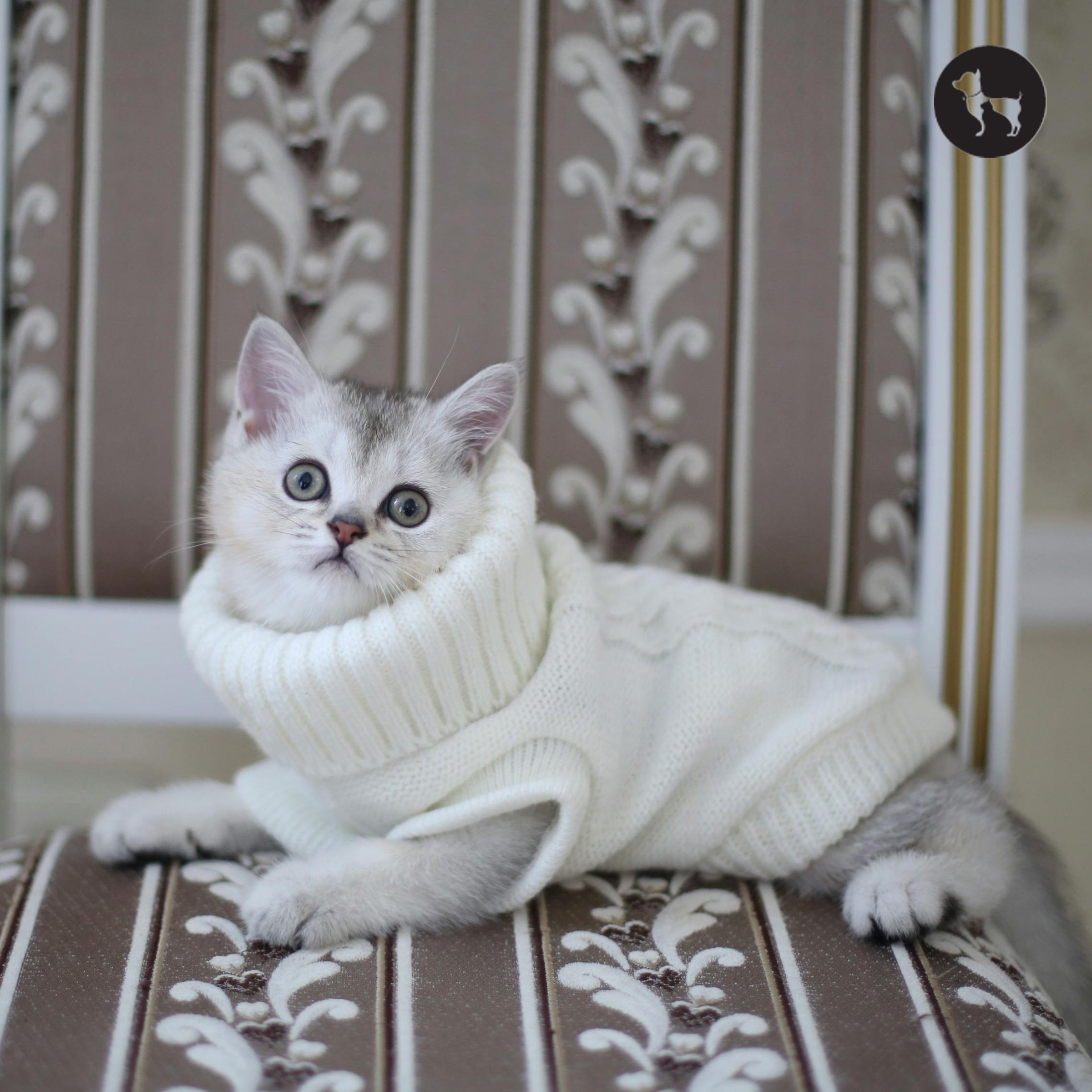
Winter might mean hot chocolate, heaters, and cosy blankets for us, but your cat experiences the season in a completely different way. Cold floors, dry air, and less sunlight can leave the kitties searching for extra warmth. You may notice them sleeping more, eating differently, or sticking closer to your warm spots at home.
That’s why winter care is essential. With just a few mindful adjustments, you can help your cat stay comfortable, hydrated, and healthy throughout the chilly months.
Read this blog to find out how you can make this winter their safest and snuggliest one yet!

Cats usually find the warm spots at home, but that alone is not always enough during the colder months. When temperatures drop, their bodies need to work harder to stay warm, which can leave them feeling tired and less active than usual. Older cats, kittens, and those with short coats tend to feel the cold more intensely, making them more exposed to catching a cold or struggling with joint stiffness.
Cold and dry winter air can also affect your cat’s skin and overall comfort. Many cats experience dry, increased shedding, flaky skin, or itchiness during this season. Understanding these changes helps the cat parents create a cosy, supportive environment that keeps your cat warm, healthy, and happy all winter long.

Winter can be tough on our feline friends, but a few simple steps can make their days snug and stress-free.
Warmth is the most important part of keeping your cat safe in winter. Cats love curling up in cosy spots, so make sure your home has enough warm spaces, especially away from draughts.
Add soft blankets or fleece bedding to your cat’s favourite corners
Elevate their bed slightly off the cold floors
Place a warm blanket near a sunny window
Use a heated cat bed if temperatures get extremely low
Maintaining a comfortable temperature indoors ensures your cat stays happy and avoids issues like stiff joints or reduced mobility.
Cats sleep more during the cold months, so a snug sleeping space is essential. You can consider adding cave-style beds or padded tents to your house that trap body heat. These are especially helpful for senior cats, kittens, and short-haired breeds.
You can find some of the best padded tens or cave-style beds for cats on the HUFT app, website, or in nearby stores.
Winter can cause dryness in your cat’s skin and coat. Regular grooming is still important, but be gentle during brushing to avoid static and irritation.
Use a moisturising spray for cats
Avoid over-bathing as it strips natural oils
Keep long-haired cats tangle-free
Healthy grooming helps support a shiny coat and reduces skin discomfort during the season.
Cats drink less water in winter, which increases the risk of dehydration and urinary issues. Make water appealing by:
Place multiple water bowls around the home
Use a cat water fountain
Add wet food to their meals
Hydration-rich diets can also help. Many pet parents shift to wet recipes because they naturally support warmth and fluid intake.
Cats may need slightly more calories to maintain body heat, especially active or outdoor cats. Choose a high-quality cat food rich in real meat, essential fatty acids, and taurine. Adding nourishing treats or warm broth-style meals is another simple way to keep your cat’s tummy warm and satisfied.
Cold winter air can dry out your cat’s nose, paws, and skin, making them more sensitive than usual. Using a pet-safe balm helps keep these areas moisturised and protected from cracking or irritation. Just a small amount creates a gentle barrier that keeps their skin soft and comfortable all season long.
Cats get less active in winter, which may lead to boredom or weight gain. Keep them mentally and physically stimulated by playing with them or keeping them engaged with:
Interactive toys
Feather wands
Puzzle feeders
Short indoor play sessions
This not only keeps them fit but also strengthens your bond.
Winter doesn’t have to be uncomfortable for your feline companion. At Heads Up For Tails, we believe every cat deserves a season filled with warmth, comfort, and a little extra pampering. With the right blend of cosy essentials, nourishing meals, and thoughtful care, you can make the colder months easier and more enjoyable for your kitty. From snuggly bedding to smart nutrition choices, even the smallest change can bring a big boost to your cat’s overall well-being.
Stay consistent with these gentle cat winter care tips, and your little one will spend the season warm, safe, and happily curled up by your side.
Yes, some cats may need slightly higher calories in winter. Choosing the best cat food for winter, especially wet food with healthy fats and real meat, helps maintain energy, immunity, and hydration. However, always follow your vet’s advice.
Not all cats need sweaters, but short-haired breeds, hairless cats, kittens, and seniors may benefit from lightweight, comfortable cat outfits. Ensure the fabric is soft and the fit is not too tight.
Yes. Low temperatures can increase the risk of upper respiratory infections, joint stiffness, dehydration, and weakened immunity. Keeping your cat warm and well-nourished helps reduce winter-related health issues.
Winter dryness is common. Regular brushing, omega fatty acids in food, and using mild cat-safe grooming products help maintain healthy skin and a shiny coat. Avoid over-bathing, as it strips natural oils.


 Dog
Dog
 Cat
Cat


 Youtube
 Facebook
 Instagram
 Linkedin