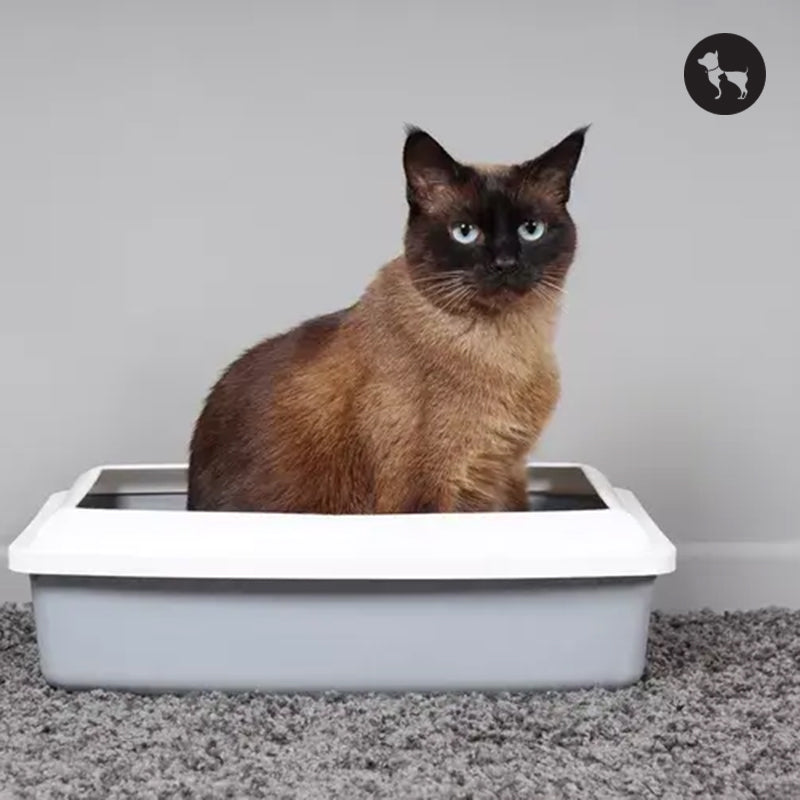
Looking for the right cat litter? If yes, you have arrived at the right place!
Choosing the right cat litter is a crucial decision for every cat parent. It impacts not only your cat’s comfort but also the cleanliness and smell of your home. With so many options on the market, it’s easy to feel overwhelmed. Among the most popular types are clumping clay, tofu-based, and traditional clay litters. Each has its unique strengths and considerations, especially when it comes to controlling odours and simplifying cleaning routines.
If you’re wondering which litter type might best suit your home and feline friend, here’s a clear, detailed comparison to help you make an informed choice.

Not all cat litters work the same way, and choosing the right one depends on your cat’s habits and your daily routine. Here are some of the most common cat litters that you can choose from:
This litter is made from bentonite clay, which absorbs moisture and forms hard clumps when wet. This property makes it easy to scoop out soiled portions, keeping the remaining litter fresh and dry. It is widely popular due to its effectiveness and convenience.
Tofu litter is a newer, eco-friendly alternative made from compressed soybean by-products. It’s biodegradable, lightweight, and flushable. Tofu litter absorbs moisture well and forms clumps, although typically softer than clay-based ones.
This type uses natural clay but does not clump. Instead, it absorbs moisture and neutralises odours through its porous texture. It often requires complete litter changes more frequently since it does not allow for spot cleaning.

Here is detailed information about smell control in these cat litters:
Clumping Clay Litter: It excels in odour control because the clumps can be scooped out quickly, preventing the spread of ammonia-like smells. Some varieties also include activated charcoal or baking soda to boost odour absorption.
Tofu Litter: Tofu litter offers excellent odour control thanks to its natural absorbency and the presence of plant fibres that trap moisture and smells. It has a fresh, natural scent that many cat parents appreciate, and it tends to control odour well for the duration of its use.
Traditional Clay Litter: This litter absorbs odours but can be less effective compared to clumping varieties because urine cannot be scooped out separately. If not changed regularly, it can develop strong odours quickly.

Explore how different types of litter impact daily cleaning and overall maintenance.
Clumping Clay Litter: The highlight of clumping litter is easy scooping. The solid clumps make daily cleaning quick and efficient without having to change the entire box frequently. This litter generally lasts longer before a full change is needed.
Tofu Litter: Tofu litter clumps well, but the clumps are softer and more delicate, requiring slightly more careful scooping to avoid breaking. It is lightweight, making litter changes and refills easier. Plus, it’s flushable, providing convenient disposal options.
Traditional Clay Litter: Non-clumping litter requires full litter box changes more often since urine is absorbed but not clumped. Cleaning can be more time-consuming and less convenient, especially in multi-cat households.
Explore the key factors beyond cleaning that can influence your litter choice.
Dust and Tracking: Clumping clay litters tend to generate more dust and track outside the litter box, which can be a concern for sensitive cats or homes with allergies. Tofu litter produces minimal dust and tracks less.
Environmental Impact: Tofu litter is biodegradable and more eco-friendly compared to clay litter, which involves strip mining that impacts natural habitats.
Cost: Clumping clay litter is generally affordable and widely available. Tofu litter tends to be pricier due to its eco-friendly production, while traditional clay litter is often the most economical but less convenient.
Cat Preferences: Cats can be particular about litter texture and smell. Some prefer the softer feel of tofu litter, while others are accustomed to clay. Experimenting might be necessary to find what your cat prefers.
If you prioritise strong odour control and effortless cleaning, clumping clay litter remains a reliable choice. It’s convenient for daily scooping and keeps the environment fresh.
For pet parents who want a natural, eco-conscious option without sacrificing performance, tofu litter offers excellent odour control, easy cleaning, and environmental benefits. It’s especially suitable for households looking to reduce their ecological footprint.
If budget constraints are a major factor and you have fewer cats, traditional clay litter can work, but requires more frequent full litter changes and attention to odour management.
At HUFT, we understand that every cat and household is unique. That’s why we offer a thoughtfully curated selection of cat litters to fit diverse needs and preferences.
Choosing HUFT means you get not only top-notch products but also expert advice and personalised support. Whether you're seeking the easiest cleaning, best odour control, or environmentally responsible options, we are here to guide you.
Visit the nearest HUFT store or shop online to explore our full range of cat litter and pet care essentials!
Yes, but transition slowly by mixing old and new litter over a week to help your cat adjust to the new texture and scent.
For clumping litter, a full change every 3 to 4 weeks is usually enough with daily scooping. Non-clumping clay needs replacing once or twice a week, while tofu litter typically follows a similar cycle to clumping types.
Many tofu litters are biodegradable and flushable, but always follow the product guidelines and check sewer regulations to avoid plumbing issues.
Clumping clay and tofu litters generally handle multiple cats better due to easier spot cleaning and odour control compared to traditional clay litter.


 Dog
Dog
 Cat
Cat


 Youtube
 Facebook
 Instagram
 Linkedin