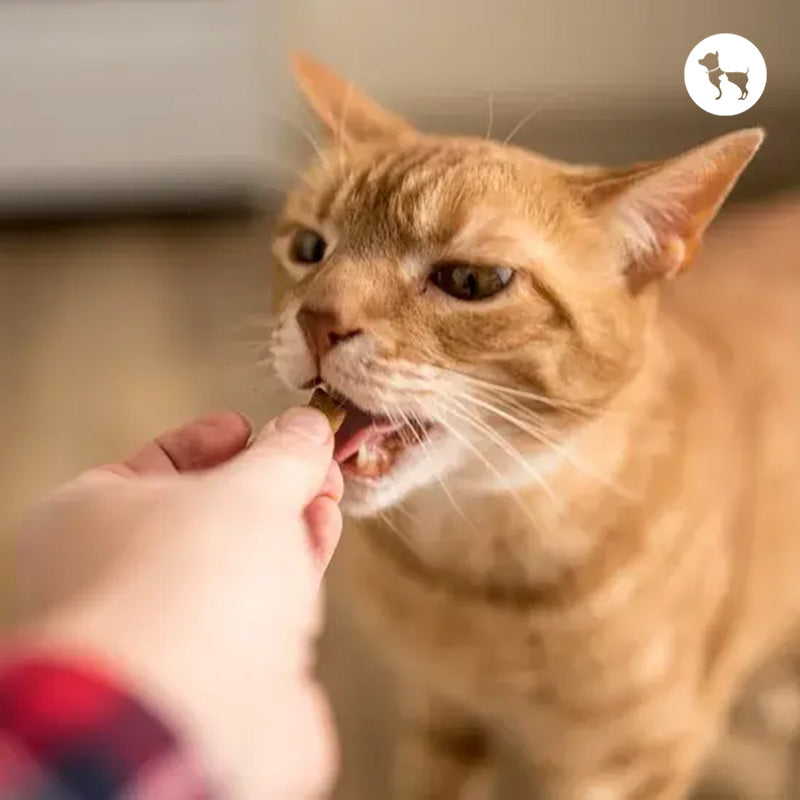
As a cat parent, you want to give your furry friend the best of everything, including treats! One question that often pops up in the minds of pet owners is, “How many treats should I give my cat daily?” It’s a common dilemma; after all, those adorable little faces can be downright persuasive! But while cat treats can bring joy to your kitty, it’s essential to strike the right balance. Too many can lead to health issues, while too few might leave them feeling deprived.
In this complete guide, we’ll explore the ideal number of treats for your cat's age, weight, and activity level, along with tips on choosing the healthiest options. Let’s explore the purr-fect way to reward your feline friend without ignoring their well-being!

Veterinary nutritionists are consistent on this point: treats should account for no more than 10% of your cat's total daily caloric intake. The remaining 90% should come from their complete and balanced main diet, wet food, dry kibble, or a combination.
This is not an arbitrary figure. Cats are obligate carnivores with precise nutritional requirements. Like humans or even dogs, they cannot efficiently synthesise certain nutrients and must get them directly from animal-sourced food. A complete cat food is formulated to meet those requirements in specific proportions. When treats make up 15%, 20%, or more of daily calories, they are not just adding extra; they are displacing the nutrients your cat actually needs.
10% of 200 kcal = 20 kcal from treats per day.
The average adult domestic cat weighing 4-5 kg requires approximately 200-250 kilocalories per day, though this varies with age, activity level, reproductive status, and whether they are indoor or outdoor.

The right number of treats isn’t fixed; it changes based on your cat’s age, health, and daily routine. Looking at these factors helps you avoid overfeeding while still keeping treat time enjoyable.
Kittens under 12 months are still growing, so while their overall calorie needs are higher, treats should remain limited. Giving too many early on can create a habit of constantly expecting rewards. Small portions of simple, meat-based treats, around 2 to 3 pieces a day, are enough. For senior cats, usually above 10 years, metabolism slows, and dental issues become more common. Softer treats are a better choice here, and overall quantity should be reduced to keep things balanced.
Your cat’s weight is a strong guide when deciding on treat quantity. Cats at a healthy weight can have treats, which make up to 10% of their daily calories. If your cat is overweight, this should drop to around 5% or less until their weight improves. Extra weight increases the risk of conditions like diabetes and joint strain, so adjusting treats intake is often the easiest and most effective step to take.
Certain health concerns call for more careful choices. Cats with kidney issues need treats lower in phosphorus, while those with diabetes benefit from low-carbohydrate options. Urinary concerns may also require specific ingredients to be avoided. In such cases, it’s best to check with your vet and read product labels closely before adding anything new to their routine.
A cat’s daily activity directly affects how many extra calories they can handle. Indoor cats with limited movement usually need fewer treats, while more active cats, especially those that play often or have outdoor access, can accommodate slightly more. Keeping treat portions in line with activity levels helps maintain a healthy balance without unnecessary weight gain.
Choosing how many treats to give your cat is one part of the picture; the other is choosing treats that are actually worth it. Look for clear ingredients, balanced nutrition, and options that suit your cat’s age and health. At Heads Up For Tails, treats are curated with this thought in mind, so you’ll find options that work for different needs, whether it’s high-protein snacks, softer treats for training, or options better suited for older cats.
You can explore the full range on the HUFT app or visit a nearby store. If you need help deciding, the in-store team can guide you towards treats that fit your cat’s routine and preferences!
This is common, but giving in every time reinforces the behaviour. Once your cat has had their daily treat limit, avoid offering more. Instead, redirect their attention with play or interaction. If this behaviour suddenly increases, a vet check is a good idea.
Feed them separately during treat time. This helps ensure each cat gets the right type and amount without mix-ups. Keeping treats organised and clearly separated also makes things easier.
No. Treats are not nutritionally complete. If your cat starts rejecting meals in favour of treats, reduce treat access and stick to fixed meal times. If they continue to skip food for more than a day, consult your vet.


 Dog
Dog
 Cat
Cat


 Youtube
 Facebook
 Instagram
 Linkedin