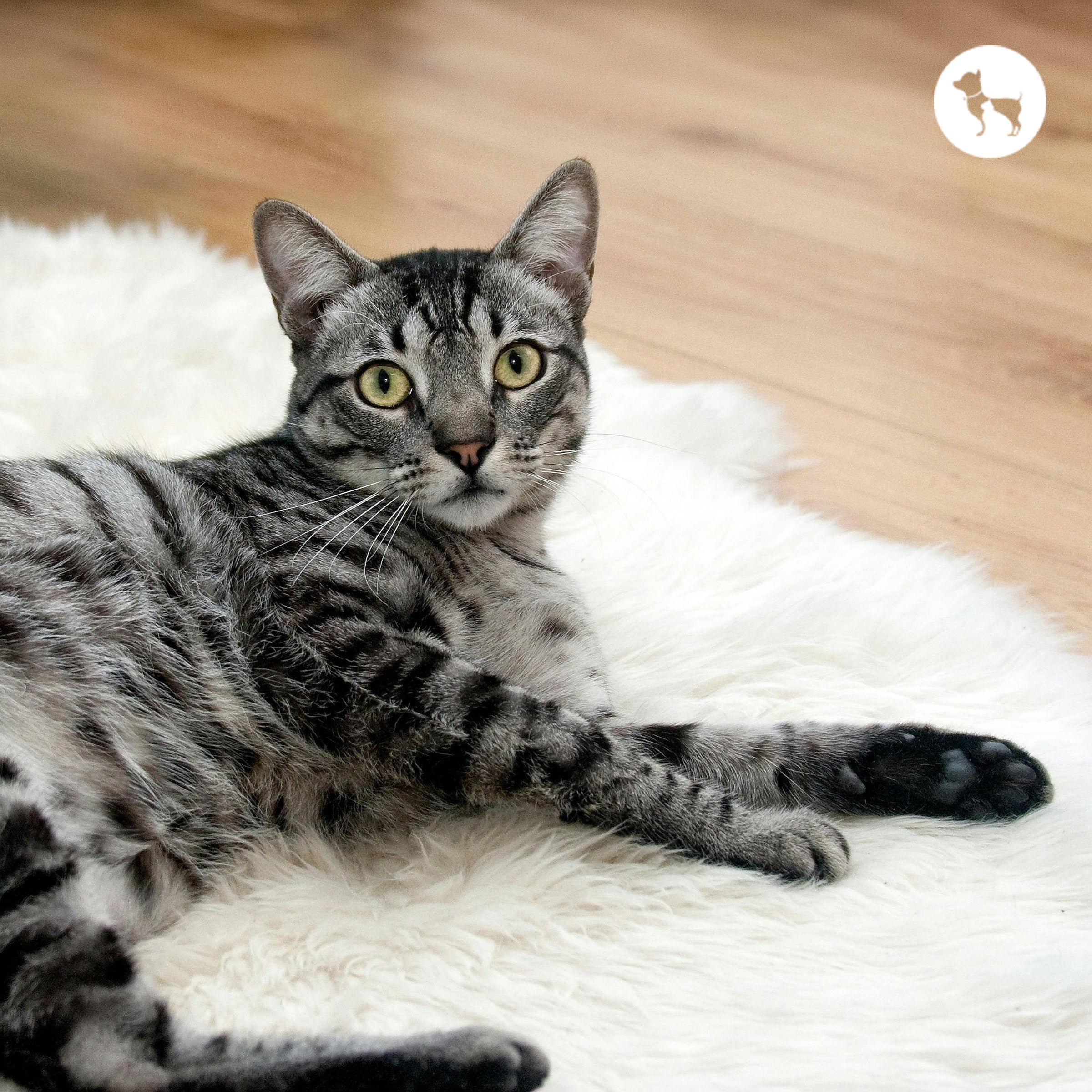
Living with an indoor cat in an Indian home is often seen as “easy pet parenting.” No walks, no outdoor risks, and a fairly independent companion. But that assumption misses something important: when a cat lives entirely indoors, especially in an apartment, their world becomes smaller. And when their world shrinks, your role in shaping it becomes much bigger.
In cities like Gurgaon, Mumbai, or Bangalore, where apartments dominate and outdoor access is limited, indoor cats depend completely on their environment for stimulation, comfort, and stability. This isn’t about adding more things; it’s about understanding how your home feels from your cat’s point of view.

Indoor cats in India live very differently from their outdoor companions. They don’t get natural stimulation from hunting, climbing trees, or exploring. Instead, they depend entirely on you to create a balanced life indoors. Apartments in cities like Gurgaon, Mumbai, or Bangalore often have:
Limited vertical space
Artificial lighting
Air conditioning or fluctuating temperatures
Noise from traffic or construction

A well-designed space can completely change how your cat behaves and feels at home. The goal is not to fill your home with pet products, but to make smart adjustments that align with your cat’s instincts.
Cats naturally seek height because it gives them a sense of control and safety. In apartments, this need becomes even more pronounced.
Adding elevated resting spots, such as window perches, shelves, or accessible furniture tops, helps your cat observe their surroundings without feeling threatened. Windows, in particular, become a source of endless stimulation, offering movement, light changes, and outdoor activity.
Open balconies are common in Indian homes, but they pose a serious risk for indoor cats. Even the most agile cat can slip or misjudge a jump.
Installing a protective mesh ensures safety without restricting access to fresh air and sunlight. It also allows your cat to engage with the outside world visually, which is incredibly enriching for them.
Cats rely heavily on familiarity. A designated resting area that remains undisturbed helps them feel secure.
Placing their bed or favourite spot away from high-traffic zones, like entrances or noisy appliances, gives them a reliable space to retreat to. Over time, this consistency reduces stress and supports better rest.
Indoor cats have different dietary needs compared to outdoor or highly active cats. Their lower activity levels make portion control and balanced nutrition especially important.
Leaving food out all day often leads to overeating, particularly in indoor cats who don’t burn as many calories. Scheduled feeding introduces routine and helps regulate intake. It also adds structure to your cat’s day, something that indoor cats benefit from more than we often realise.
India’s climate, especially during summers, increases the risk of dehydration. Many cats don’t drink enough water naturally, which can affect their overall health.
Including moisture-rich food in their diet supports hydration more effectively. Some cats are also more inclined towards moving water, which explains their attraction to taps or dripping sources.
A combination of wet and dry food often works best. Wet food helps with hydration, while dry food can support dental health when used appropriately. The key lies in balance and consistency, rather than relying entirely on one type.
Indoor cats don’t have the opportunity to hunt, which is a core part of their natural behaviour. Without an outlet, this energy builds up and often turns into behavioural issues.
Interactive play mimics the hunting cycle: stalk, chase, catch, and release. This sequence is mentally satisfying for cats and helps regulate their energy levels.
Cats that engage in regular play tend to be calmer, more content, and less prone to destructive habits.
Boredom in indoor cats is often underestimated. It can lead to overeating, lethargy, or attention-seeking behaviour.
Keeping their environment dynamic, by occasionally rotating toys or introducing new forms of engagement, helps maintain their curiosity without overwhelming them.
Even though indoor cats are generally cleaner than outdoor cats, grooming remains an essential part of their care.
Indian weather patterns can influence shedding cycles. Regular brushing helps remove loose fur and reduces the chances of hairball formation.
It also keeps their coat healthy and allows you to monitor any changes in skin condition.
Since indoor cats rely entirely on litter boxes, cleanliness directly impacts their comfort and behaviour.
A poorly maintained litter box can lead to avoidance or accidents. In humid conditions, odour control becomes even more important, making regular cleaning a necessity rather than a choice.
Indoor environments are not completely isolated from outdoor weather conditions. Seasonal changes still affect your cat’s comfort and health.
High temperatures can make cats sluggish and reduce their appetite. Ensuring access to cool resting areas and fresh water helps them stay comfortable.
Avoiding direct exposure to harsh sunlight during peak hours also makes a noticeable difference.
While winters are milder in many parts of India, indoor floors can still feel cold. Providing soft, warm bedding helps maintain comfort, especially for older cats.
Humidity during monsoons can affect hygiene and increase the risk of infections. Keeping litter areas dry and maintaining overall cleanliness becomes especially important during this time.
A cat’s emotional health is closely tied to their environment. Small changes in routine or surroundings can have a significant impact.
Cats rarely express discomfort in obvious ways. Subtle behavioural changes—like increased hiding, reduced interaction, or over-grooming, often indicate underlying stress.
Consistency in feeding, play, and interaction creates a predictable environment. This predictability reduces anxiety and helps your cat feel more secure in their space.
Creating that balance doesn’t require dramatic changes. It comes from understanding their instincts and making thoughtful adjustments that support them every day.
At Heads Up For Tails, this understanding is at the heart of everything. The idea isn’t to add more to your home, but to make what you choose truly work for your pet. When their space feels right, their behaviour, health, and overall happiness naturally follow, and that’s what truly defines a well-loved indoor cat!
Boredom doesn’t always look obvious. It can show up as overeating, sudden bursts of energy at night, excessive grooming, or even disinterest in interaction. A well-stimulated cat is curious, responsive, and has a balanced sleep-play cycle.
Space matters less than how you use it. Even in compact homes, vertical setups, interactive play, and rotating engagement can keep your cat physically and mentally active without needing extra floor space.
Cats are independent, but that doesn’t mean they don’t feel the absence of interaction. A predictable routine, environmental enrichment, and some form of stimulation during the day can help reduce loneliness. The quality of time you spend with them matters more than the quantity.
This is usually linked to unused energy during the day. Cats are naturally crepuscular, meaning they are most active during dawn and dusk. Structured play sessions in the evening can help channel this energy and create a calmer night routine.
You can, but plant selection matters. Many common houseplants in Indian homes can be toxic to cats. It’s important to check plant safety and place them thoughtfully to avoid accidental ingestion.


 Dog
Dog
 Cat
Cat


 Youtube
 Facebook
 Instagram
 Linkedin