
Cats can be surprisingly particular about many things, such as where they nap, how they’re petted, and even how they eat and drink. One behaviour that often concerns cat parents is how little water their feline seems to consume. You may refill their bowl daily, only to find it barely touched. While this might seem unusual, it’s actually deeply rooted in a cat’s instincts.
In the wild, cats evolved to survive in arid environments with limited water sources. Instead of relying on drinking water, they adapted to obtain most of their hydration from their prey, which is high in moisture. Fast forward to today, and our indoor cats still carry this instinct. The challenge is that modern diets, especially dry kibble, don’t provide the same level of hydration, which can quietly impact their health over time.
Understanding this can help you make more informed choices that support your cat’s long-term well-being, particularly when it comes to urinary health.

Cats are not instinctively driven to drink water frequently. Their bodies are designed to conserve water efficiently, which means they don’t always feel thirsty even when they need fluids.
In the wild, a cat’s diet would consist of small animals like birds or rodents, which are made up of nearly 70-75% water. This natural moisture intake kept them hydrated without the need to seek out water sources often. Domestic cats, however, often eat dry food that contains only about 10% moisture, creating a significant hydration gap.
Because their thirst drive hasn’t evolved to match this change, cats may remain mildly dehydrated without showing obvious signs.

Cats rarely show discomfort openly, so dehydration can go unnoticed. Some subtle signs to look out for include:
Slightly dry gums
Lower activity levels than usual
Changes in appetite
Reduced or infrequent urination
Strong-smelling or darker urine
Water plays a key role in maintaining a healthy urinary system. When a cat doesn’t consume enough fluids, their urine becomes more concentrated. This creates an environment where minerals can build up, potentially leading to urinary crystals or stones.
Over time, this may increase the risk of:
Urinary tract infections (UTIs)
Bladder inflammation
Formation of crystals or stones
These conditions can be painful and stressful for cats. You might notice them straining in the litter box, urinating more frequently, or avoiding the litter area altogether. Maintaining proper hydration helps dilute urine, reducing the likelihood of these issues and supporting overall urinary health.
A cat ignoring their water bowl isn’t unusual, and it doesn’t mean they’re being difficult. There are several instinctive and environmental reasons behind this:
Preference for moving water: Flowing water feels fresher and safer
Bowl placement issues: Water kept too close to food or litter can be off-putting
Sensitivity to smell or taste: Even minor impurities can discourage drinking
Whisker discomfort: Narrow or deep bowls can cause whisker fatigue
While small changes like adjusting bowl placement or trying a fountain can help, they may not fully solve the issue for every cat.
This is where wet food can make a meaningful difference in your cat’s daily routine. Wet food contains a high percentage of moisture, often around 70-80%, which closely mimics the natural water content found in a cat’s ancestral diet. This allows cats to consume fluids in a way that aligns with their instincts, without relying heavily on drinking water separately.
A moisture-rich diet doesn’t just quench thirst; it supports several key bodily functions. Improved hydration helps maintain smoother digestion by aiding nutrient absorption and preventing dryness in the digestive tract. It also plays a crucial role in supporting kidney function, as adequate fluid intake helps flush out toxins more effectively.
Perhaps most importantly, increased moisture in the diet helps dilute urine. This reduces the concentration of minerals that can otherwise accumulate and form crystals or stones, lowering the risk of common urinary issues in cats.
For cats that rarely approach their water bowls, wet food becomes a simple, reliable way to maintain hydration throughout the day. Instead of trying to change their natural behaviour, it works with their instincts, making hydration feel effortless and natural.

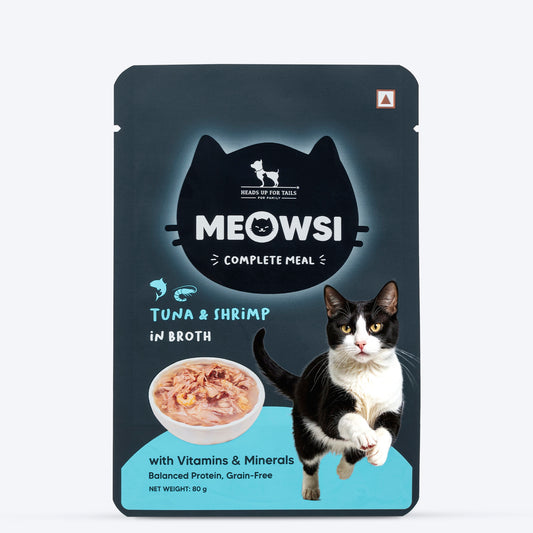
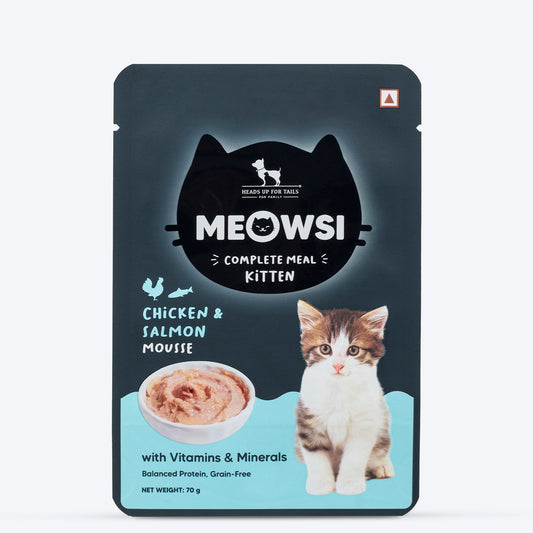
If you’re planning to introduce wet food into your cat’s routine, Meowsi wet food offers a well-rounded approach that combines hydration with balanced nutrition. It’s thoughtfully made to suit both the health needs and taste preferences of cats, which can be especially helpful for those who are selective about their meals.
Each meal is crafted to deliver moisture-rich nourishment while ensuring your cat receives essential nutrients for daily vitality.
Real meat for strong muscles: Made with high-quality animal protein, it supports lean muscle development and provides the energy cats need for their everyday activities, from playtime to rest.
Hydration-first recipes: With a naturally high moisture content, these meals help support fluid intake, aiding digestion and promoting a healthier urinary system without extra effort.
Taurine for heart and vision: Taurine is an essential nutrient for cats, and its inclusion helps maintain healthy eyesight and supports proper heart function, both vital for long-term well-being.
Omega fatty acids for skin and coat: These nutrients contribute to a softer, shinier coat while also supporting healthy skin, reducing dryness and dullness over time.
Beyond nutrition, Meowsi also focuses on variety. With textures like broth, mousse, and pâté, along with flavours such as chicken, tuna, and salmon, it caters to different taste preferences and feeding habits. This variety can make mealtimes more enjoyable and help encourage consistent eating, especially for fussy cats.
Alongside incorporating wet food, a few small changes can support better hydration:
Keep multiple water bowls in different areas of your home
Use a pet water fountain to encourage interest in drinking
Refresh water daily and keep bowls clean
Combine wet and dry food for a balanced routine
If you’re introducing new wet food, transition gradually over 7 days. Start by mixing a small portion with their current food and slowly increase the amount. This helps avoid digestive upset and makes the change more comfortable for your cat.
Caring for a cat often means understanding the small, instinct-driven behaviours that shape their daily life. Low water intake is one of them, but instead of trying to change this habit, it’s more effective to adapt their diet in a way that supports natural hydration.
At HUFT, we focus on making pet care simple, thoughtful, and centred around what pets truly need. From everyday essentials to carefully crafted nutrition, everything is designed to support your pet’s comfort and well-being.
With Meowsi wet food, you can offer meals that do more than just satisfy hunger. They help maintain hydration, support urinary health, and make mealtimes something your cat genuinely looks forward to.


 Dog
Dog
 Cat
Cat


 Youtube
 Facebook
 Instagram
 Linkedin