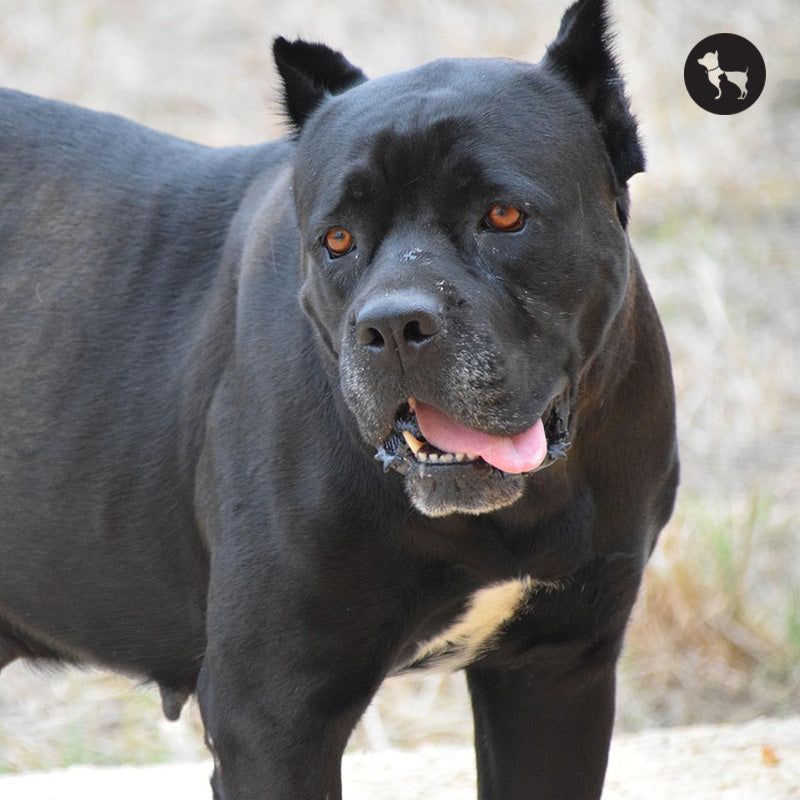
The Cane Corso is a powerful, intelligent and deeply loyal dog breed that commands respect at first glance. Known for its muscular build and confident presence, this Italian mastiff is not just a guardian but also a devoted family companion when raised and trained correctly. However, the Cane Corso is not a casual choice. This breed requires experienced handling, structured training and a lifestyle that matches its physical and mental needs.
If you are considering getting a Cane Corso or just want to understand the breed better, this guide covers everything from its origin to health and daily care, helping you make an informed decision.

Height: Males - 25 to 27.5 inches and Females - 23.5 to 26 inches
Weight: 40 to 50 kgs
Lifespan: 9 to 12 years
Temperament: Loyal, protective, confident, intelligent
Energy Level: Moderate to high
Shed Level: Moderate
Colour: Black, grey, fawn, red, chestnut brindle, and variations of these colours

The Cane Corso originates from Italy and descends from ancient Roman war dogs known as Canis Pugnax. These dogs were used in warfare, hunting large game and guarding property. After the fall of the Roman Empire, the breed transitioned into rural life, where it was used to protect farms, livestock and families.
The name “Cane Corso” comes from the Latin word cohors, meaning guardian or protector. By the mid-20th century, the breed nearly went extinct due to industrialisation and reduced need for working dogs. Dedicated breed enthusiasts revived the Cane Corso in the 1970s, and it was officially recognised by major kennel clubs in the late 1990s and early 2000s.
The Cane Corso has a strong, balanced and athletic appearance that reflects its working background. Its overall build is powerful yet controlled, designed for endurance, agility and alert movement rather than bulk.
The breed carries itself with confidence, showing a deep chest, firm back and well-aligned limbs that support steady, purposeful motion. Its expression is focused and intelligent, giving it a calm but watchful presence.
With a short coat that highlights its natural muscle definition, the Cane Corso’s appearance clearly showcases its role as a capable guardian and working companion.

The Cane Corso is known for its stable yet assertive temperament. It is deeply loyal to its family and often forms a strong attachment to one or two primary caregivers. This breed is naturally protective and has a strong sense of territory.
With proper socialisation, Cane Corsos can be calm, affectionate and gentle with family members, including children. However, due to their size and strength, supervision is always recommended around young kids.
They are typically reserved with strangers and do not warm up easily, which makes them effective watchdogs. Early and consistent socialisation is essential to prevent over-guarding or suspicious behaviour. The Cane Corso is not suited for first-time dog owners. It needs confident, calm leadership and clear communication to thrive.
Despite their imposing size, Cane Corsos are relatively low-maintenance when it comes to grooming.
Brushing: Once or twice a week to remove loose hair and maintain coat health
Bathing: Only when necessary, usually 2-3 times a month or when dirty
Shedding: Moderate, with seasonal shedding periods
Ears: Regular cleaning is important to prevent infections
Nails: Should be trimmed regularly to avoid discomfort
The Cane Corso is an active working breed that needs a balanced mix of physical exercise and mental engagement to stay healthy and well-behaved. Daily movement is essential, not just to burn energy but to maintain muscle tone and emotional balance. Long walks, purposeful play sessions and structured activities help prevent restlessness and behavioural issues. Access to safe, open spaces allows the breed to move freely while staying under control.
When it comes to training, this breed is highly intelligent and learns quickly, but it also requires consistency and confident guidance. Early obedience training helps establish boundaries and trust, while positive reinforcement encourages cooperation and focus. Calm, firm leadership is key, as harsh methods can lead to resistance or anxiety. Early socialisation with different people, animals and environments supports confident behaviour and reduces overprotectiveness.
A Cane Corso requires a nutrient-dense, well-balanced diet to support its powerful muscles, joint health and overall vitality. High levels of clean, high-quality protein are essential for maintaining muscle strength, while balanced fats help meet energy needs and keep the coat healthy. Diets made using real meat and fresh vegetables, and prepared in smaller batches, often retain nutrients better and support improved digestion.
Puppies need carefully regulated nutrition to ensure steady growth without putting excess strain on developing bones and joints, while adults generally do best on two measured meals a day. Overfeeding should be avoided to prevent weight gain and joint stress. A complete, protein-forward kibble with thoughtfully sourced ingredients can help meet the daily nutritional demands of an active breed. Hearty by HUFT is one of the complete nutrition options designed to support the daily dietary needs of large, active dog breeds like the Cane Corso.
While many Cane Corsos live healthy lives with the right care, understanding potential health concerns allows pet parents to focus on prevention, early detection and overall well-being.
Hip Dysplasia: This is a genetic condition where the hip joint does not fit properly into the socket. Over time, it can lead to pain, reduced mobility and arthritis. Maintaining a healthy weight and avoiding excessive strain during puppyhood can help manage the risk.
Elbow Dysplasia: Caused by abnormal development of the elbow joint, this condition may result in stiffness, limping or discomfort, particularly in young dogs. Early diagnosis and controlled exercise are key to slowing progression.
Bloat (Gastric Dilatation-Volvulus): A serious condition in deep-chested breeds like the Cane Corso, bloat occurs when the stomach fills with gas and twists. Symptoms include restlessness, abdominal swelling and retching without vomiting. Immediate veterinary attention is critical.
Eye Conditions: Cane Corsos may develop entropion or ectropion, where the eyelids roll inward or outward. These issues can irritate, tearing and cause infections if not corrected, sometimes requiring surgical treatment.
Heart Conditions: Some individuals may be prone to dilated cardiomyopathy, a disease that affects the heart’s ability to pump efficiently. Regular cardiac screenings help detect issues early.
Skin Sensitivities and Allergies: Cane Corsos can experience skin problems related to food sensitivities, environmental allergens or parasites, often showing up as itching, redness or recurrent infections.
The Cane Corso is a remarkable breed, powerful yet loyal, protective yet deeply bonded to its family. When raised with patience and proper training, it becomes a dependable guardian and an emotionally connected companion. However, being a dog parent comes with responsibility, commitment and a clear understanding of the breed’s needs.
From choosing the right nutrition and everyday essentials to creating a safe, comfortable and enriching home environment, every detail matters. At Heads Up For Tails, this understanding shapes everything - from thoughtfully crafted food and treats to well-designed beds. We have everything you need under one roof.
So, what are you waiting for? Visit the nearest HUFT store or explore our app to care for your dogs with confidence, consistency and love, every single day!
Yes, with proper training and socialisation, Cane Corsos can be loyal and affectionate family dogs. They are best suited for families experienced with large breeds.
No, the breed is not inherently aggressive. It is naturally protective and requires early training to ensure balanced behaviour.
They can adapt if given sufficient exercise and mental stimulation, but larger homes with outdoor space are more suitable.
With early socialisation, they can coexist with other pets, but supervision is important due to their dominant nature.
No, this breed is better suited for experienced dog owners who understand training, leadership and large-breed responsibilities.


 Dog
Dog
 Cat
Cat


 Youtube
 Facebook
 Instagram
 Linkedin