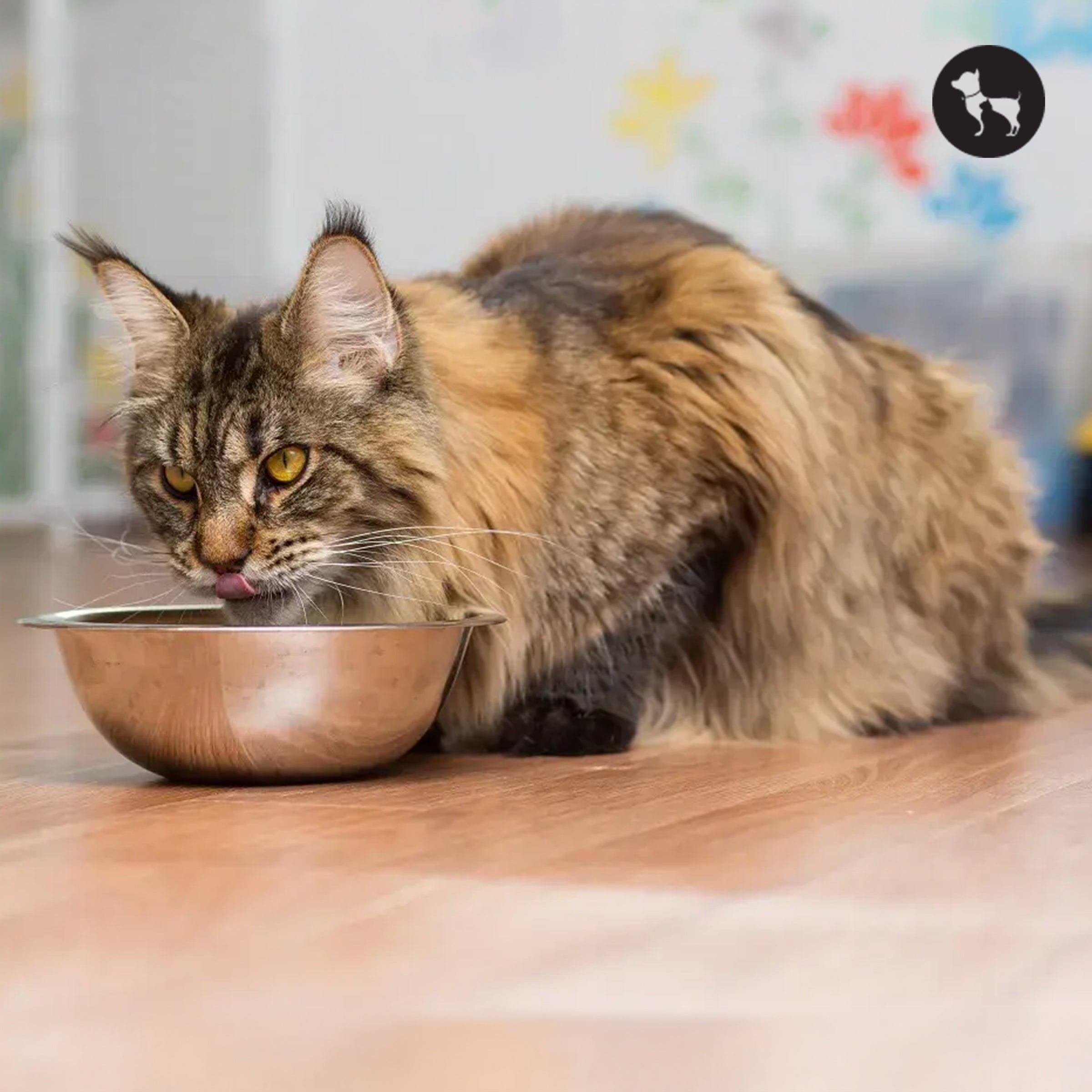
Maine Coons are not your average cat, and their diet should not be either. They are one of the largest domestic cat breeds in the world, built with a muscular frame, a thick double coat, and an energy level that does not really slow down with age. Their size means they need more protein than most domestic cats to maintain lean muscle mass, their coat demands a steady supply of omega fatty acids, and their known predisposition to conditions like hypertrophic cardiomyopathy makes nutrients like taurine a non-negotiable.
Finding the right food in India adds another layer to this, where the premium pet food market is still growing and not every brand formats their products around the needs of a large, breed-specific cat.
In this blog, we will break down exactly what to look for, what to avoid and which options are available in India that are worth considering for your Maine Coon.

Maine Coons are big cats with big nutritional demands, but it is not about feeding them more of everything; it is about feeding them the right things consistently. Here is what matters most:
Protein is the foundation of a Maine Coon's diet. Their large, muscular build requires a steady supply of animal-based protein, not just during kittenhood but throughout their adult life to maintain lean muscle mass. Look for protein sources like chicken, fish, and turkey as the primary ingredient in whatever you feed them.
This one is non-negotiable for Maine Coons specifically. Taurine is an amino acid that cats cannot produce in sufficient quantities on their own, and the breed has a known genetic predisposition to hypertrophic cardiomyopathy, a condition where the heart muscle thickens over time. Taurine directly supports cardiac function, and a deficiency can accelerate heart-related issues.
That long, dense double coat Maine Coons are famous for does not maintain itself. Omega-3 and omega-6 fatty acids, found in fish oil, flaxseed, and ingredients like tuna and shrimp, are what keep the coat healthy, reduce excessive shedding, and support skin condition. For a breed that sheds as much as a Maine Coon does, consistent omega fatty acid intake is genuinely visible in the quality of their coat over time.
Cats do not need carbohydrates the way humans do, and Maine Coons are no exception. A diet heavy in fillers like corn, wheat, or soy adds calories without nutritional benefit and can contribute to weight gain in an already large breed. Simple, digestible carbohydrate sources like rice or sweet potato in moderate amounts are fine.
Maine Coons are predisposed to hip dysplasia, which makes joint support a relevant dietary consideration, especially as they age. Not every cat food includes these, but when a formula does, it adds meaningful long-term value for this breed in particular.

Some everyday foods can be extremely toxic for cats and may lead to serious health issues if consumed. Here are a few you should always keep out of their reach:
Onions, Garlic, and Chives: All members of the allium family are toxic to cats and can cause damage to red blood cells, leading to anaemia. This includes cooked forms and powdered versions, so be careful with any human food that might contain these as ingredients.
Grapes and Raisins: These are highly toxic to cats in any form. Even small amounts can cause acute kidney failure. Keep these well out of reach.
Cow's Milk and Dairy: The idea of cats lapping up milk is deeply embedded in popular culture, but most cats are lactose intolerant. Maine Coons are no exception. Dairy can cause digestive upset, loose stools, and stomach discomfort.
Raw Fish in Large Quantities: Occasional raw fish is generally fine, but making it a regular part of the diet is problematic. Raw fish contains an enzyme called thiaminase that breaks down Vitamin B1, and a deficiency over time can lead to serious neurological issues.
Chocolate and Caffeine: Both contain compounds, theobromine and caffeine, respectively, that cats cannot metabolise safely. Even small amounts can cause vomiting, rapid heart rate, seizures, and, in serious cases, death. Maine Coons' cardiac sensitivities make this even more of a concern.
Dog Food: It might seem harmless in a pinch, but dog food is not formulated to meet a cat's nutritional requirements. It lacks sufficient taurine and arachidonic acid, both of which Maine Coons need in adequate amounts. Occasional exposure is unlikely to cause harm, but it should never become a substitute.
Processed Human Food: Anything heavily salted, spiced, or seasoned is best kept away from your Maine Coon. High sodium intake can strain the kidneys over time, and many spices that are harmless to humans are irritating or toxic to cats.

Indoor Maine Coons have specific nutritional needs shaped by their size, slower growth, and lower activity levels, making a balanced mix of protein-rich wet food and controlled-calorie dry food essential for keeping them healthy, strong, and well-hydrated. Here are some of the best options that you can consider:
Maine Coons in Indian households are typically indoor cats, which naturally means lower activity levels compared to their outdoor counterparts. This reduced movement makes weight management a subtle yet important concern for the breed. Royal Canin Indoor 27 addresses this with a calorie-controlled formula that supports a healthy weight without leaving your cat feeling underfed.
The digestive support is an added plus, since Maine Coons can be prone to sensitive stomachs. It is not a breed-specific formula, but for an indoor Maine Coon on a mixed wet and dry diet, it holds up well as a dry food option.
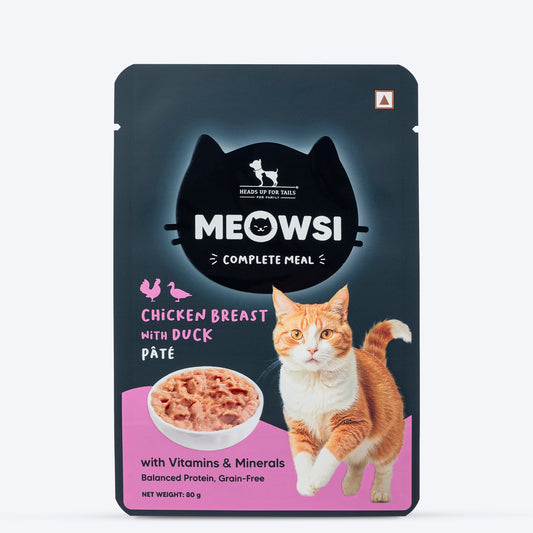
For a breed that needs high animal protein to support its naturally muscular build, this grain-free mousse from Meowsi delivers where it counts. Real chicken breast, organ meats, and quail eggs provide a dense protein profile that supports lean muscle maintenance, something Maine Coons need consistently, not just in kittenhood.
The taurine inclusion is particularly relevant for this breed given their cardiac health predispositions, and the hydration-first formula helps compensate for the low water intake that many cats on dry-heavy diets struggle with. The smooth mousse texture also works well for both younger and older Maine Coons.
If your Maine Coon is a gravy lover, and many are, Sheba's tuna, pumpkin, and carrot variant is a palatable, everyday wet food option worth considering. The real fish base provides good animal protein, and the high moisture content supports hydration, which matters for a large breed with higher daily fluid needs.
Pumpkin adds a gentle fibre source that can support digestion, which is useful for Maine Coons who occasionally deal with hairball-related digestive disruption, given the volume of fur they ingest during self-grooming. It works best as a complement to a more nutritionally complete primary food rather than a standalone diet.
Tuna and shrimp are both naturally rich in omega fatty acids, which makes this particular Meowsi variant a strong choice for Maine Coons specifically. Their long, dense double coat requires consistent fatty acid support to stay healthy, reduce shedding, and maintain that characteristic lustre the breed is known for.
The added taurine supports heart health, the grain-free formulation is easy on digestion, and the smooth mousse texture makes it accessible for cats of all ages.
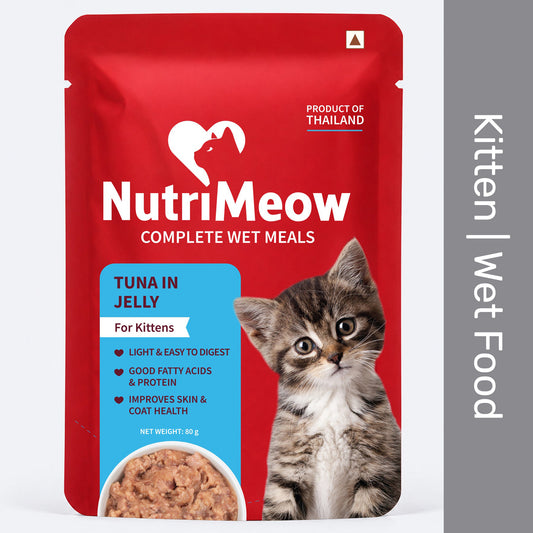
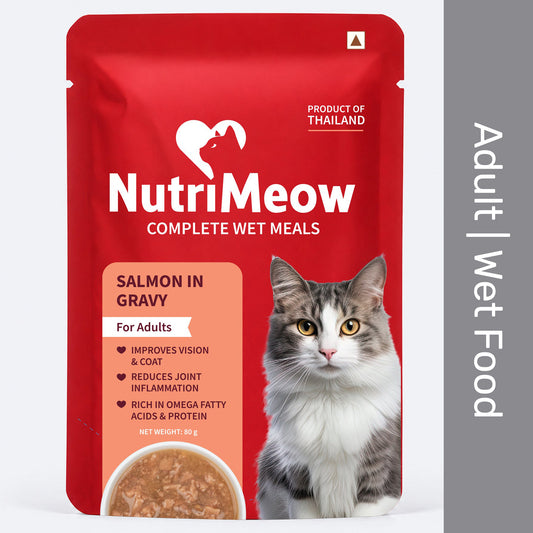
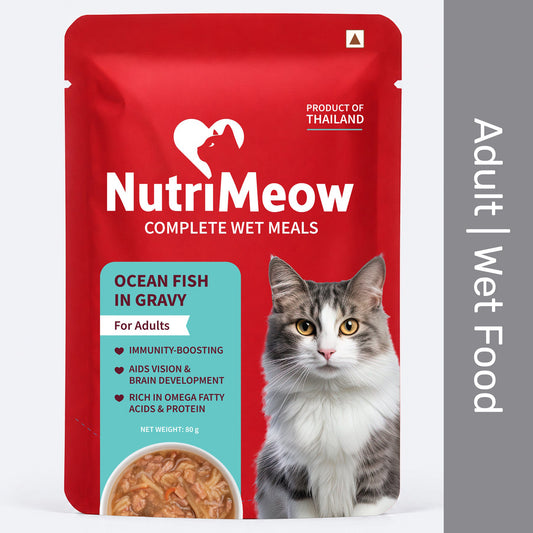
NutriMeow's chicken in gravy is a dependable everyday wet food that works well for adult Maine Coons who need consistent muscle support without unnecessary additives. The light gravy texture encourages eating and adds to daily fluid intake, both useful for a large, active breed. It is not breed-specific, but the clean ingredient profile and AAFCO compliance make it a trustworthy option for cat parent who want quality nutrition at a practical price point.
Maine Coons are famously slow growers; they do not reach full size until around 3 to 4 years of age, which means kitten nutrition stays relevant for longer than with most breeds. Purina Felix's tuna in jelly kitten formula provides the protein, vitamins D and E, and omega fatty acids that a growing Maine Coon needs during this extended development phase.
The jelly texture tends to be well accepted even by picky younger cats, and the complete nutritional profile means it can serve as a primary meal during the early years.
They can, but not all regular cat food meets their specific needs. Look for formulas with high animal protein, taurine, and omega fatty acids.
Later than most breeds, Maine Coons grow until around 3 to 4 years of age. Most vets recommend staying on a kitten or all-life-stage formula until at least 12 to 18 months, sometimes longer.
They can be, particularly indoor Maine Coons with lower activity levels. Structured mealtimes rather than free feeding, and a calorie-appropriate formula, go a long way in keeping their weight in check.


 Dog
Dog
 Cat
Cat



 Youtube
 Facebook
 Instagram
 Linkedin