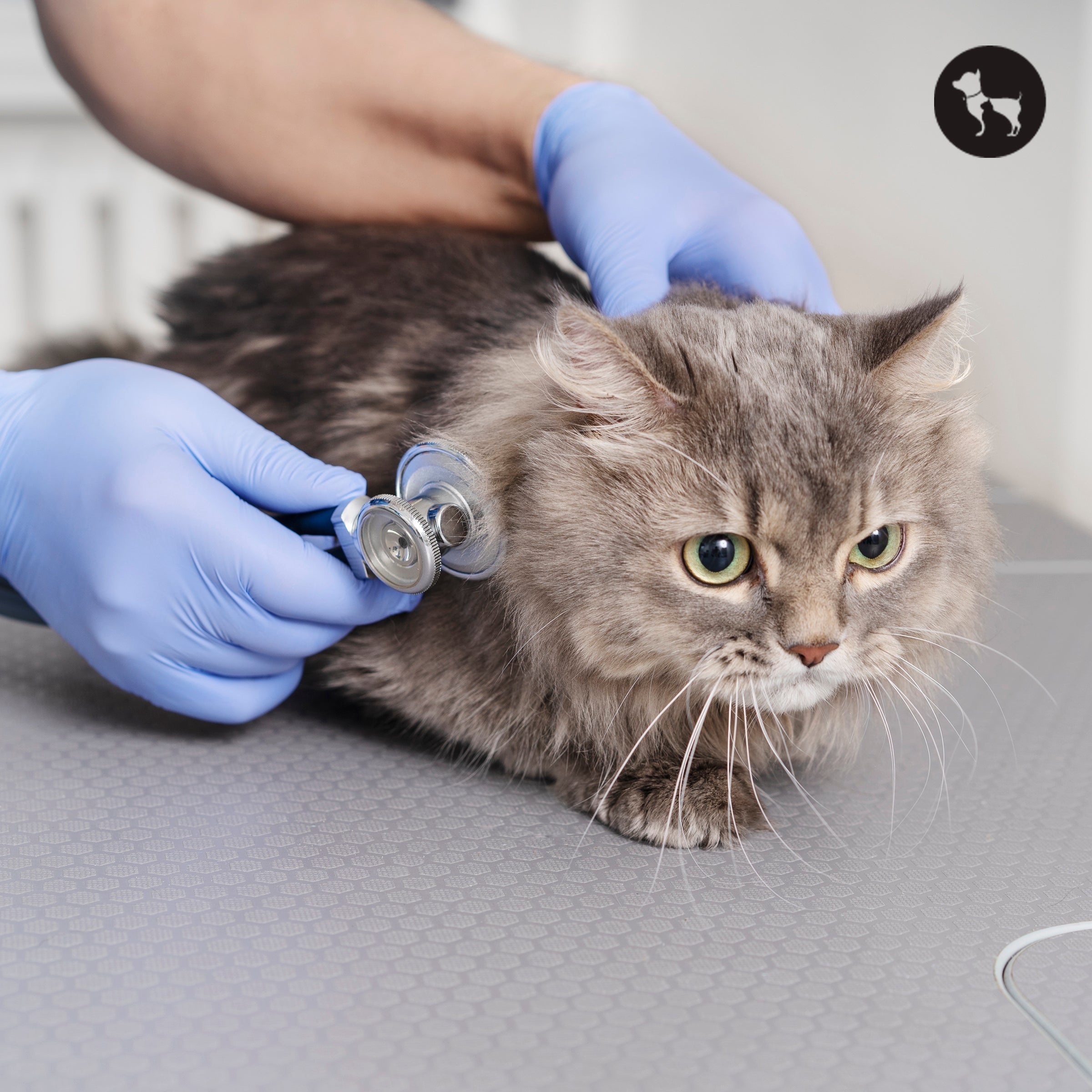
Cats are masters at hiding discomfort. What looks like a lazy day or a skipped meal can sometimes be the first sign that something isn’t right. In India, factors such as heat, humidity, outdoor exposure, high stray populations, and inconsistent diets increase the risk of certain diseases.
Learning about the most common health issues seen in Indian cats and recognising early warning signs can help cat parents seek timely care and prevent long-term complications.

Upper respiratory infections in cats affect the nose, throat, sinuses, and eyes. They are most commonly caused by viruses such as feline herpesvirus (FHV-1) and feline calicivirus (FCV). Once a cat is infected, these viruses can remain dormant in the body for life, with symptoms resurfacing during periods of stress, illness, or weakened immunity.
These infections are highly contagious and are especially common among kittens, rescued cats, and cats living in multi-cat environments.
Symptoms
Frequent sneezing and nasal discharge (clear or thick)
Watery, red, or swollen eyes
Reduced appetite due to loss of smell
Mild to moderate fever
Lethargy and reduced activity
Mouth ulcers (more common with calicivirus infections)
What Causes It
Direct contact with infected cats
Shared food bowls, litter trays, or bedding
Crowded environments such as shelters or catteries
Stress from relocation, travel, or new animals
Weakened immune system due to illness, age, or poor nutrition

Flea allergy dermatitis is a common skin condition caused by a hypersensitive reaction to flea saliva. In cats that are allergic, even a single flea bite can trigger intense itching and widespread inflammation, making this condition particularly uncomfortable and distressing.
If left untreated, constant scratching and biting can break the skin barrier, increasing the risk of secondary bacterial or fungal infections.
Symptoms
Persistent scratching, licking, or biting of the skin
Red, inflamed, or thickened skin patches
Scabs or open sores, most commonly around the neck, lower back, and base of the tail
Noticeable hair thinning or bald areas
Restlessness, irritability, or signs of discomfort
What Causes It
Flea bites, even in small numbers
Inconsistent or a lack of preventive flea control
Warm climates that allow fleas to thrive throughout the year
Exposure to other infested animals or environments
Digestive issues are among the most common health problems seen in Indian cats. These problems often arise from bacterial or viral infections, food intolerances, or intestinal parasites such as roundworms, hookworms, and tapeworms. Kittens, rescued cats, and cats with outdoor access are especially vulnerable due to their developing or compromised immune systems.
When left untreated, gastrointestinal infections and parasites can interfere with nutrient absorption, weaken immunity, and lead to dehydration or growth delays in younger cats.
Symptoms
Persistent diarrhoea or loose stools
Vomiting or frequent hairball-like regurgitation
Swollen or bloated abdomen, particularly in kittens
Weight loss despite a normal or increased appetite
Lethargy and dull coat
Signs of abdominal discomfort
What Causes It
Consumption of contaminated food or water
Raw, unbalanced, or inappropriate diets
Exposure to infected soil, litter areas, or other animals
Poor hygiene in feeding or living spaces
Lack of regular deworming
Ringworm is a common fungal infection that affects a cat’s skin, hair, and sometimes claws. Despite its name, it is not caused by worms but by dermatophyte fungi. Ringworm is highly contagious and can spread easily between cats, other animals, and even humans.
This condition is especially common in kittens, rescued cats, and those living in warm, humid environments.
Symptoms
Circular or irregular bald patches
Red, scaly, or crusty skin lesions
Persistent scratching or grooming
Brittle, broken fur around affected areas
Dull coat and mild skin inflammation
What Causes It
Warm and humid conditions that encourage fungal growth
Direct contact with infected animals
Sharing bedding, grooming tools, or living spaces
Weakened immune systems due to stress, illness, or young age
Feline Lower Urinary Tract Disease (FLUTD) is an umbrella term used for several conditions that affect a cat’s bladder and urethra. These may include bladder inflammation, urinary crystals, stones, and, in severe cases, partial or complete urinary blockages. FLUTD can be extremely painful and, if untreated, may become life-threatening, especially in male cats.
Symptoms
Difficulty or straining while passing urine
Frequent attempts to urinate with little output
Presence of blood in the urine
Urinating outside the litter box due to discomfort
Vocalising or signs of pain during urination
What Causes It
Inadequate water intake leading to concentrated urine
Stress or sudden changes in the environment or routine
Imbalanced mineral levels in the diet
Limited access to clean litter boxes
Dental disease in cats includes plaque and tartar buildup, gum inflammation (gingivitis), and tooth decay. It is one of the most commonly overlooked health issues, as cats often continue eating despite oral pain.
Over time, untreated dental problems can lead to infections that may affect other organs such as the heart and kidneys.
Symptoms
Persistent bad breath
Difficulty chewing or dropping food while eating
Red, swollen, or bleeding gums
Excessive drooling
Pawing at the mouth or reluctance to eat
What Causes It
Buildup of plaque and tartar on teeth
Diets that lack texture or dental support
Absence of routine dental care or check-ups
Age-related wear and tear
It is a long-term condition in which a cat’s kidneys slowly lose their ability to filter waste products and maintain proper fluid balance. It is most commonly seen in senior cats and often develops gradually, making early detection challenging.
Symptoms
Increased water consumption
More frequent or larger volumes of urine
Gradual weight loss
Decreased appetite
Dull or unkempt coat
Lethargy
What Causes It
Natural ageing and reduced kidney function
Chronic dehydration, especially in warm climates
Long-term consumption of low-quality or imbalanced diets
Previous kidney infections or untreated illnesses
Feline Infectious Peritonitis (FIP) is a serious and often fatal disease caused by a mutation of the feline coronavirus. While many cats carry the coronavirus without issues, in some, particularly young cats, the virus mutates and triggers an abnormal immune response, leading to widespread inflammation in the body.
FIP can present in different forms and tends to progress quickly once symptoms appear.
Symptoms
Persistent or recurring fever that does not respond to treatment
Swollen or distended abdomen due to fluid accumulation
Marked lethargy and reduced activity
Loss of appetite and weight loss
Pale gums or breathing difficulty in advanced cases
What Causes It
Mutation of the feline coronavirus within the body
Stressful environments such as shelters or multi-cat households
Weakened or immature immune systems
Overcrowding and poor hygiene
This disease is a lifelong viral infection that weakens a cat’s immune system, reducing its ability to fight infections. Infected cats may appear healthy for years before developing symptoms related to secondary illnesses.
FIV is often compared to HIV in humans, but it is species-specific and does not affect people.
Symptoms
Frequent or recurring infections
Slow healing of wounds
Progressive weight loss
Lethargy and reduced stamina
Poor coat condition
What Causes It
Deep bite wounds from infected cats
Outdoor access, especially among roaming cats
Aggressive interactions between unneutered males
Lack of early testing or preventive care
Obesity occurs when a cat accumulates excess body fat beyond healthy levels. It is increasingly common in indoor and neutered cats and significantly raises the risk of chronic conditions such as diabetes, joint disorders, and heart disease.
Symptoms
Noticeable and rapid weight gain
Difficulty jumping or moving comfortably
Reduced energy and increased sleeping
Decreased grooming, leading to a poor coat condition
What Causes It
Overfeeding or frequent treats
Limited physical activity
High-calorie or nutritionally imbalanced diets
Free-feeding without portion control
Many common cat diseases can be managed or even prevented when spotted early and supported with the right care. Regular vet check-ups, balanced nutrition, and a safe, stress-free environment go a long way in protecting your cat’s long-term health. Staying alert to subtle changes in behaviour, appetite, or grooming habits can make all the difference.
For everything from nutritious cat food and grooming essentials to everyday care supplies, HUFT makes it easier to support your cat’s health at every stage of life. Explore the HUFT app or visit the nearest store!


 Dog
Dog
 Cat
Cat


 Youtube
 Facebook
 Instagram
 Linkedin