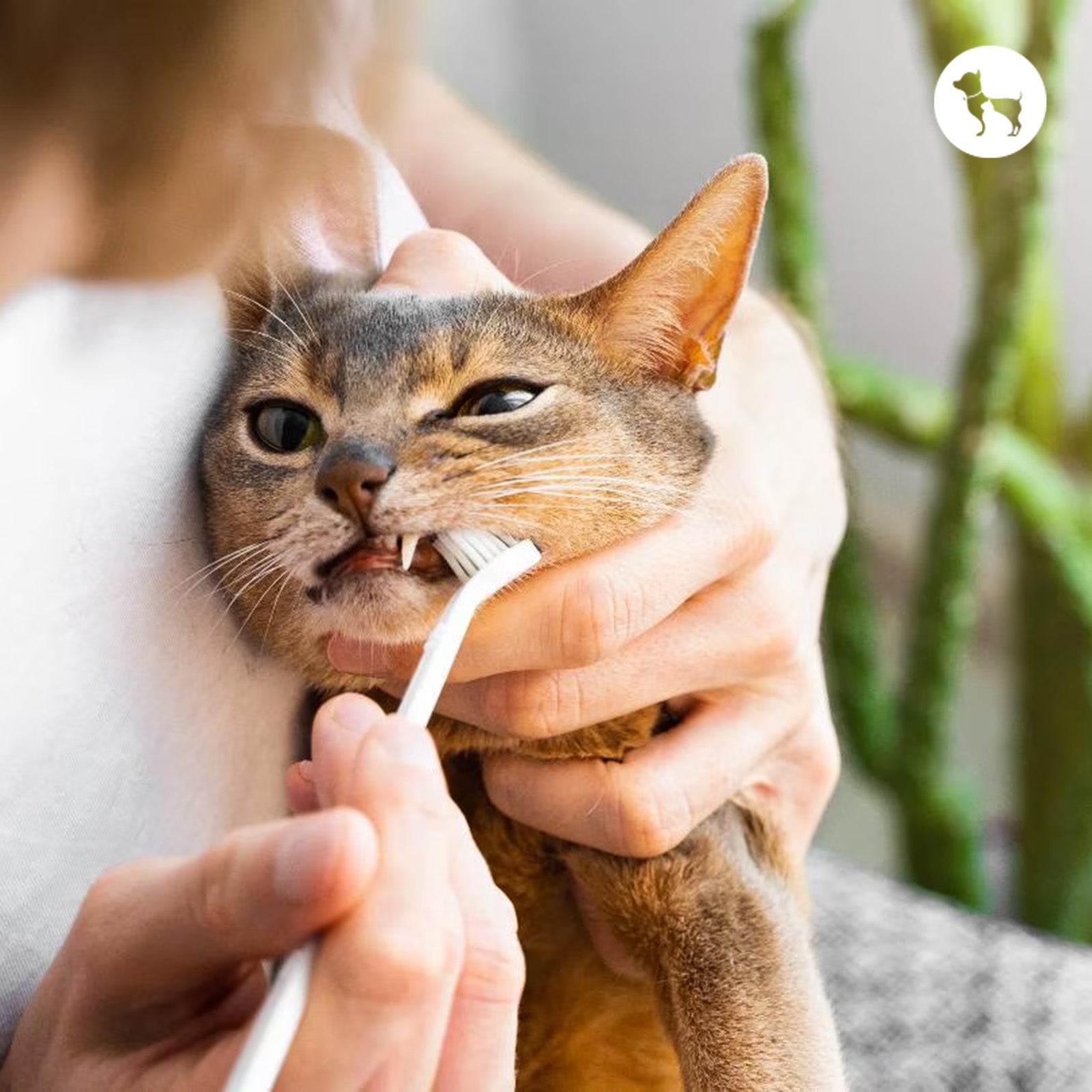
Dental health is one of the most overlooked aspects of cat care, yet it plays a huge role in your cat’s comfort, appetite, and long-term health. The tricky part? Cats are masters at hiding pain, which means dental problems often go unnoticed until they become serious.
Understanding feline dental care early makes a real difference. With the right approach, you can prevent common issues like gingivitis, tartar build up, and tooth resorption before they compromise your cat’s comfort.
This blog breaks down everything you need to know about caring for your cat’s teeth and gums.

A healthy mouth isn’t just about fresh breath. Dental disease can cause pain, tooth loss, infections, and even affect vital organs like the heart, liver, and kidneys if bacteria enter the blood stream.
Studies show that a large percentage of cats over the age of three show signs of dental disease. Regular dental care helps prevent silent suffering and supports overall well-being.

Dental issues in cats develop quietly over time. Understanding the most common dental problems helps you recognise early signs and seek treatment before your cat experiences long-term pain or complications.
Plaque forms when bacteria combine with food particles and saliva on the surface of the teeth. If plaque is not removed through regular dental care, it hardens into tartar within days, which irritates the gumline, creates pockets for bacteria to grow, and sets the stage for gum disease. Once tartar forms, professional cleaning is usually required to remove it safely.
Gingivitis is an early stage of gum disease marked by red, inflamed, or bleeding gums. Cats may show subtle signs such as chewing on one side, drooling, or avoiding certain foods. While gingivitis can be painful, it is reversible when detected early through proper dental care, dietary adjustments, and professional guidance.
When gingivitis is left untreated, it can progress into periodontal disease. This condition affects the deeper structures that support the teeth, including ligaments and bone. Over time, this can lead to loose teeth, abscesses, chronic infection, and significant discomfort. Periodontal disease can also allow bacteria to enter the bloodstream, potentially affecting organs such as the heart and kidneys.
Tooth resorption is one of the most common and painful dental conditions in cats. It occurs when the tooth structure gradually breaks down from the inside, often starting below the gumline, where it’s not visible. Cats may continue eating despite severe pain, making this condition easy to miss. Diagnosis typically requires dental X-rays, and treatment often involves extracting the affected tooth to relieve pain.
Here are some of the common signs that you can look for:
Bad breath that doesn’t improve
Drooling or pawing at the mouth
Difficulty chewing or dropping food
Reduced appetite or preference for soft food
Red, swollen gums or visible tartar
Behavioural changes like irritability or hiding
Dental care may not be the first thing that comes to mind with cats, but a simple daily routine plays a key role in preventing pain, infection, and long-term oral health issues.
Brushing remains the most effective way to control plaque and slow tartar formation. Always use a toothbrush designed specifically for cats or a soft finger brush, along with pet-safe toothpaste. Human toothpaste should never be used, as it contains ingredients that are toxic to cats.
Note: Begin slowly by allowing your cat to sniff and taste the toothpaste so it becomes familiar. Focus on the outer surfaces of the teeth, using soft, circular motions. Even brushing two to three times a week can significantly improve oral health when done consistently.
Dental treats for cats are designed with specific textures that help reduce plaque through light chewing and chafing. They can be useful for maintaining oral hygiene, especially for cats that enjoy crunchy textures. However, they work best as a supportive measure rather than a replacement for brushing. Always choose treats formulated for dental care and feed them in moderation.
Certain dry diets are specially formulated to promote dental health. These kibbles are shaped and textured to encourage chewing, which helps scrape plaque from the tooth surface.
Water additives offer an easy, low-effort way to support dental hygiene. When added to your cat’s drinking water, they help reduce bacteria that contribute to plaque and bad breath. These additives are especially useful for cats that resist brushing or treats. Always follow dosage instructions and monitor your cat’s water intake.

Even with good home care, professional dental check-ups are essential. Vets can:
Perform thorough oral exams
Identify hidden issues with dental X-rays
Carry out professional cleaning under anaesthesia
Treat advanced conditions safely and effectively
Seek veterinary care if your cat:
Stops eating or eats noticeably less
Has bleeding gums or visible mouth sores
Shows sudden aggression when touched near the face
Has loose or missing teeth
Displays signs of pain or lethargy
Dental care is a lifelong commitment that directly impacts your cat’s comfort, appetite, and overall health. By building simple daily habits, staying alert to early signs of dental issues, and scheduling regular veterinary check-ups, you can prevent painful conditions before they begin.
For pet parents looking to support their cat’s oral health at home, HUFT offers a thoughtfully curated range of dental care essentials, from toothbrushes and cat-safe toothpaste to dental treats and everyday wellness products.


 Dog
Dog
 Cat
Cat


 Youtube
 Facebook
 Instagram
 Linkedin