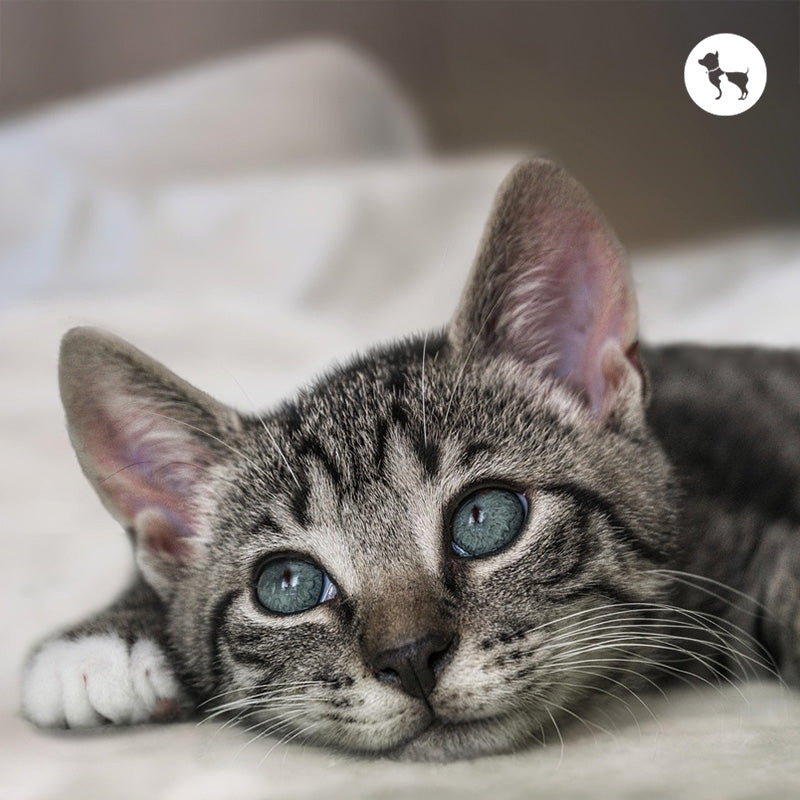
Tabby cats are among the most familiar and widely loved cats in the world. Their distinctive striped, spotted, or swirled coats make them instantly recognisable, yet many people are surprised to learn that a tabby is not a breed at all. Instead, tabby refers to a coat pattern and genetic marking that appears across many cat breeds and mixed-breed cats.
This detailed guide explores everything you need to know about tabby cats, including their origins, genetics, coat types, personality traits, health considerations, and how to care for them properly throughout their lives.
A tabby cat is defined by its coat pattern, not by its ancestry. Any cat that carries the tabby gene can display tabby markings, regardless of whether it is a pedigree cat or a domestic mixed-breed.
The most recognisable feature of a tabby cat is the distinct “M” marking on the forehead, which appears in all true tabby patterns. This marking is caused by the distribution of pigment in the hair follicles and is present even in kittens from birth.
Tabby patterns can be found in both short-haired and long-haired cats, and in cats of all sizes, depending on their genetic background.

The tabby pattern is believed to be one of the oldest natural coat patterns in domestic cats. Genetic research suggests that early wildcats, particularly the African wildcat (Felis lybica), displayed similar striped markings. These markings helped them camouflage while hunting, giving them a survival advantage.
As humans began domesticating cats, especially in the Middle East and ancient Egypt, these naturally striped cats became common companions. Over time, selective breeding preserved and diversified the tabby pattern rather than eliminating it.

There are four officially recognised tabby patterns, each caused by variations in how pigment is distributed along the hair shaft.
Classic Tabby: They have bold, swirling patterns on their sides that often resemble a marble or bullseye shape. These cats typically have thick bands of colour and a lighter background coat. This pattern is especially common in British Shorthairs and American Shorthairs.
Mackerel Tabby: These are the most common type. They have narrow, vertical stripes running down their sides, with a darker stripe along the spine. This pattern closely resembles a tiger’s markings. The name “mackerel” comes from the resemblance to the bones of a fish.
Spotted Tabby: These types of tabby cats have spots instead of stripes. These spots may be large and round or small and broken, depending on genetics. Some spotted tabbies are actually modified mackerel tabbies, where the stripes are genetically broken into spots. This pattern is often seen in breeds such as the Bengal and Ocicat.
Ticked Tabby: Ticked tabbies do not have obvious stripes or spots on the body. Instead, each hair has multiple bands of colour, giving the coat a sandy or speckled appearance. Faint striping may still appear on the legs, tail, and face. The Abyssinian is the most well-known example of a ticked tabby.
Tabby cats can appear in a wide range of colours, including:
Brown
Grey (often called blue)
Black
Orange (ginger)
Cream
Silver
Many tabbies also have white markings on the chest, paws, or belly, creating combinations such as tabby and white.
Because tabby is not a breed, physical traits vary widely. However, most tabby cats share these general characteristics:
Medium to athletic body structure
Well-defined facial markings
Strong legs and agile movement
Alert expression and bright eyes
There is no scientific evidence that coat patterns directly determine personality. However, many owners and veterinarians observe common behavioural traits in tabby cats, likely influenced by their widespread presence in domestic mixed-breed populations.
Common Behavioural Traits
Highly curious and observant
Intelligent and quick learners
Playful well into adulthood
Social and people-oriented
Adaptable to new environments

The average lifespan of a tabby cat ranges from 12 to 18 years, though many live longer with good care. Tabby cats do not have health problems linked specifically to their coat pattern. Their health risks depend on breed background, lifestyle, and diet.
Common Health Considerations
Weight gain in indoor cats
Dental disease
Urinary tract issues
Age-related joint stiffness
Nutrition and Feeding: A balanced, protein-rich diet is essential for tabby cats. Cats are obligate carnivores, meaning they require animal-based protein to thrive.
Key dietary needs include:
High-quality protein sources
Essential amino acids such as taurine
Omega fatty acids for skin and coat health
Controlled portions to prevent obesity
A balanced, protein-rich diet is essential for tabby cats, as they are obligate carnivores and rely on animal-based protein to meet their nutritional needs. High-quality protein supports muscle development, energy levels, and overall health, while essential amino acids such as taurine are vital for heart function, vision, and digestion. Omega fatty acids play an important role in maintaining healthy skin and a glossy coat, which is especially noticeable in tabby markings.
Portion control is equally important, as tabby cats, particularly indoor ones, can be prone to weight gain if overfed. Fresh, clean water should always be available, and feeding routines should be adjusted according to the cat’s age, activity level, and any existing health conditions.
Grooming requirements for tabby cats vary depending on their coat length, but regular grooming is important for all tabbies. For short-haired tabby cats, weekly brushing fines, which helps remove loose hair, reduces shedding, and distributes natural oils across the coat. Long-haired tabbies require more frequent brushing, often several times a week, to prevent tangles and matting that can lead to skin discomfort.
Regular grooming sessions also provide an opportunity to check for skin issues, parasites, or unusual lumps. In addition to coat care, nails should be trimmed every few weeks to prevent overgrowth, and ears should be checked regularly for dirt, wax build-up, or signs of irritation.
Tabby cats are known for their intelligence and curiosity, making regular exercise and mental stimulation essential for their overall well-being. Without enough physical activity and engagement, tabbies may become bored, restless, or develop unwanted behaviours such as scratching furniture or excessive vocalisation. Interactive toys, wand toys, and puzzle feeders encourage natural hunting instincts while keeping the mind active.
Scratching posts and vertical spaces such as cat trees or shelves allow tabby cats to climb, stretch, and observe their surroundings, which is important for both physical health and confidence. Daily play sessions help maintain a healthy weight, support muscle tone, and strengthen the bond between cats and their caregivers.
Tabby cats beautifully combine history, adaptability, and charm, making them beloved companions in homes around the world. With mindful care and thoughtfully chosen everyday pet essentials from HUFT, your tabby cat can enjoy a healthy, happy life as a cherished member of the family!


 Dog
Dog
 Cat
Cat


 Youtube
 Facebook
 Instagram
 Linkedin