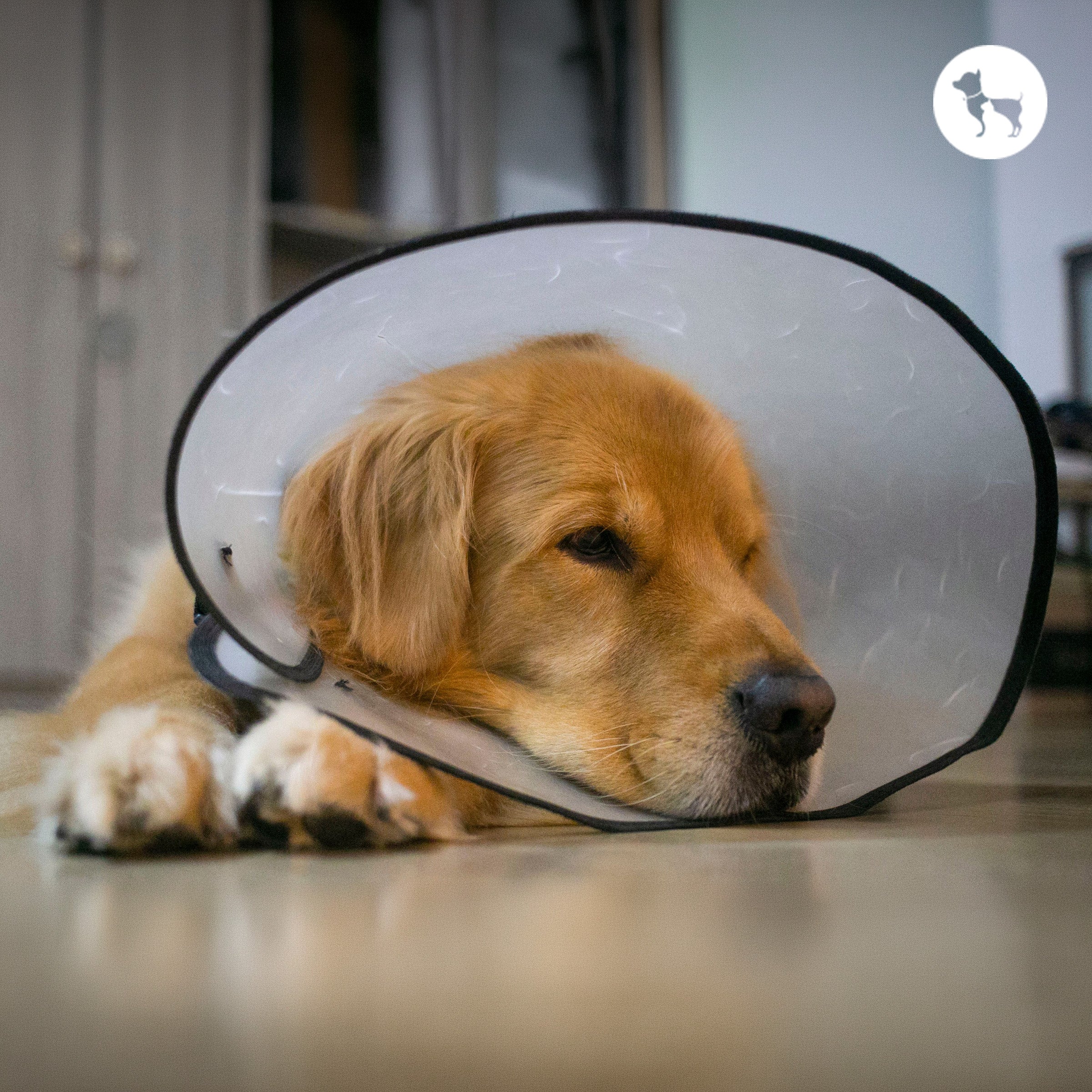
A sudden illness or accident can lead to unexpected veterinary expenses, and advanced treatments or emergency surgeries can cost thousands of rupees. While every pet parent hopes they never face such a situation, being financially prepared can make it easier to focus on your pet's recovery instead of the cost of treatment.
Pet insurance is designed to help cover these unexpected medical expenses, but it's not the right choice for everyone. The value it offers depends on factors such as your pet's age, breed, health, lifestyle, and the type of coverage you choose. In this guide, we'll explain how pet insurance works in India, what it covers, and whether it's a worthwhile investment for you and your pet.

Before deciding whether to buy a policy, understanding the basic mechanics helps you avoid the most common mismatches between expectation and reality.
Pet insurance in India usually works on a reimbursement model. You visit a licensed vet, pay the bill, collect invoices and medical records, and submit a claim to the insurer. The insurer then reimburses the eligible amount in accordance with the policy terms, limits, exclusions, deductibles, and waiting periods.
This distinction matters. Most pet insurance claims in India in 2026 still operate on a reimbursement basis. You pay the vet, submit the bills and documents, and get reimbursed. A handful of insurers have started offering cashless settlement at specific network hospitals, but those networks remain limited compared to human health insurance. You should plan to have the funds available upfront and recover them through the claim process afterwards.
Most policies also carry a waiting period of 15 to 30 days before illness coverage begins, though accident cover typically starts from day one.

Coverage varies significantly between plans, so knowing what the better policies actually include helps you compare accurately.
Accident cover – Treatment costs if your dog is hit by a vehicle, falls from a height, or sustains a trauma injury. Virtually every plan covers treatment costs up to the sum insured from day one.
Illness cover – Infections, parvovirus, tick fever, and respiratory conditions. This is where the better plans differentiate themselves from basic ones
Surgical cover – Including orthopedic surgeries, which are expensive enough that this coverage alone can justify a year's premium many times over
Hospitalisation and ICU – Daily ICU costs can accumulate significantly over a week of critical care
Mortality benefit – If your pet passes away due to an accident or covered illness, most plans pay the insured value
Third-party liability – If your dog bites a neighbour, injures a child in a park, or causes an accident, the medical and legal costs can be substantial. In 2026, with Resident Welfare Associations (RWAs) and housing societies getting stricter about pet ownership rules and liability, this cover is quietly one of the most valuable parts of a comprehensive plan
OPD cover – Vaccinations, deworming, and tick treatments can cost ₹5,000 to ₹10,000 every year. Look for plans that offer OPD cover.
The exclusions section of a policy document is where the real terms of the deal actually live, and most pet parents skip it.
Pre-existing conditions are permanently excluded by most insurers. Any illness, injury, or diagnosed condition present before the policy start date will not be covered, and this is the single most common reason claims get rejected
Hereditary and congenital conditions catch purebred owners off guard, since popular breeds like Pugs, French Bulldogs, Labradors, and German Shepherds carry known breed-specific risks that many plans exclude
Cosmetic or elective procedures including tail docking and grooming surgeries unless medically required due to an accident
Negligence-related injuries caused by intentional cruelty, willful exposure to danger, or poor maintenance are not covered
Read the exclusion list before comparing premiums. The cheapest plan is rarely the most useful one when a claim actually needs to be made.
Premiums vary based on your pet's age, breed, city, and the level of coverage you choose.
|
Plan Type |
Approximate Annual Premium |
Coverage Level |
|
Basic surgery/accident only |
₹315 – ₹2,000 |
Minimal |
|
Comprehensive (illness + accident + surgery) |
₹2,000 – ₹10,000 |
Moderate to high |
|
Premium (OPD + illness + third-party liability) |
₹5,000 – ₹15,000+ |
Extensive |
Pets of indigenous origin, cross-bred, and exotic breeds are covered under most policies. That said, breed affects your premium directly. A local Indie dog is generally cheaper to insure than a Pug or a Bulldog, because flat-faced breeds carry higher inherent health risk that insurers price into the policy.
Major providers currently operating in the Indian market include HDFC ERGO, Bajaj Allianz, New India Assurance, Digit Insurance, and Oriental Insurance, among others.
This is the question the article title promises, and the honest answer isn't "everyone."
Pet insurance makes strong financial sense if:
You own a purebred dog or cat with known breed-specific health vulnerabilities, such as a Labrador with joint issues or a Persian cat with respiratory concerns
Your pet is young, ideally under five years, since premiums are lowest and coverage is easiest to secure at this point. Waiting until your pet is seven means higher premiums and a narrower window before age limits cut off new policy options entirely
You live in a metro city where veterinary costs at private hospitals are significantly higher than smaller towns
You don't have a dedicated emergency fund for pet healthcare of at least ₹1 to ₹2 lakh
Pet insurance may not be the right fit if:
Your pet is already 10 years or older. At this age, premiums are high, exclusions multiply, and many of the conditions that are actually likely to arise will be classified as chronic or pre-existing. A dedicated savings buffer makes more financial sense
You already have ₹3 to ₹5 lakh specifically set aside for pet emergencies and can self-insure
Your pet is a young, healthy Indie breed with low exposure to high-risk environments
Do not wait until your dog is a senior to buy a policy. Most insurers in India have strict entry age limits. Usually, you can start as early as 8 weeks, but the door often closes once your pet hits 7 or 8 years. For giant breeds like Great Danes, this limit might even be as low as 4 or 5 years. If you apply too late, rejection is almost certain.
This is one of the most overlooked aspects of pet insurance in India. Buying a policy when your pet is young and healthy is not just cheaper; in many cases, it's the only window available to you before exclusions and age limits close off meaningful coverage.
For most purebred dog and cat owners in metro cities, yes. If your pet is young, a comprehensive policy with illness and surgical cover is likely to deliver value, especially given how sharply veterinary costs have risen in recent years.
Pre-existing conditions, hereditary and congenital diseases, cosmetic procedures, and injuries arising from negligence are standard exclusions across most Indian policies. Always read the exclusions section before buying.
The earlier the better. Most policies accept pets from 8 weeks to 7 or 8 years of age for new enrolment. For giant breeds, the upper age limit can be as low as 4 to 5 years.
Yes. Several insurers now offer cat-specific plans, including coverage for breed-specific conditions, OPD care, and hospitalisation. Cat insurance is generally priced lower than dog insurance.
Most claims in 2026 still operate on a reimbursement basis. A small number of insurers offer cashless settlement at specific network hospitals, but availability is limited compared to human health insurance networks.
No. Pre-existing conditions are excluded under virtually all Indian pet insurance policies. Any condition diagnosed or treated before the policy start date will not be eligible for claims.
The pet insurance claim process is now almost entirely digital. Most pet owners can complete the entire process through a mobile app. You notify the insurer within 24 hours of an emergency, upload photos of your pet and their medical bills directly to the portal, and receive reimbursement once the veterinary reports and invoices are verified.
Pet insurance in India has matured considerably by 2026, but it still rewards pet parents who research carefully rather than those who buy the first affordable plan they find. For young pets, high-risk breeds, and households without a dedicated emergency fund, a well-chosen comprehensive policy offers genuine financial protection. Preventive care, routine nutrition, and regular vet check-ups remain the foundation of keeping insurance claims infrequent. Heads Up For Tails stocks a full range of nutrition, supplements, and wellness essentials to support your pet's health year-round, available online and at HUFT stores across India.


 Dog
Dog
 Cat
Cat


 Youtube
 Facebook
 Instagram
 Linkedin