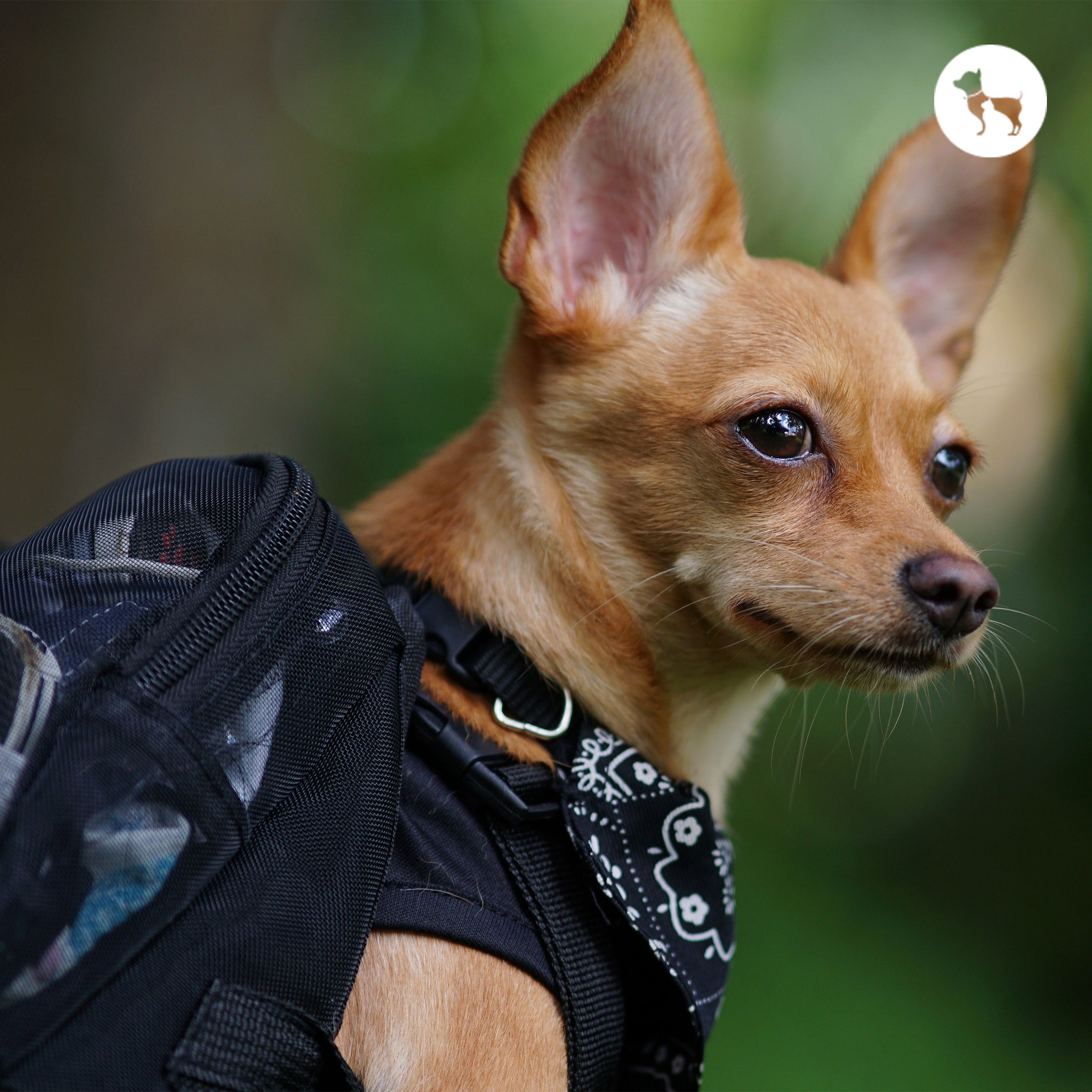
Travelling with your pet can be a rewarding experience, but it also comes with responsibilities. Whether you're planning a road trip, taking a train, or flying to another city, each mode of transport has its own rules, documentation requirements, and safety guidelines that every pet parent should know.
A little planning goes a long way in making the journey comfortable for both you and your pet. From choosing the right travel carrier to understanding airline and railway policies, this guide covers everything you need to know about travelling with pets in India in 2026.

Indian Railways allows domestic pets, primarily dogs and cats, to travel under two arrangements: with you in a First Class AC (1A) coupe or cabin if you book the entire compartment, or in the Brake Van as registered parcel luggage without you accompanying.
This is the preferred option for most pet parents since you stay with your pet throughout the journey.
You can choose between the two-seater coupes or the cabins that contain four seaters, and carry all the dog travel accessories needed to keep them comfortable
Book your own ticket first, then navigate to the 'Dogs/Cats Booking' section on the IRCTC website under the Trains menu
One dog gets added to one PNR number, so if you're travelling with more than one dog, remember to book for two passengers so each dog has a PNR number
Dogs carried in First AC are charged at luggage rates for 60 kg per dog
A pet dog can be carried in a dog box in the Second Class Luggage and Brake Van (SLR), charged at luggage rates applicable to the train at 30 kg per pet dog
The Brake Van has limited ventilation and can get hot in Indian summers. For anxious pets, elderly pets, or sensitive breeds, this option is not ideal.
A veterinary health certificate confirming fitness to travel, ideally obtained within 48 hours of departure
Vaccination records
Completed booking on IRCTC or through the station parcel office
Car travel is the most flexible option for pets and has no formal national regulation governing it the way trains or flights do, but responsible pet parents should follow a few practical guidelines.
Use a well-ventilated crate or a pet-specific car seat cover to secure your pet safely during transit
Never let your dog travel with their head out of the window on highways; it poses serious injury risk from debris and sudden stops
Plan rest stops every two to three hours on long drives, particularly during summer months when heat builds up quickly inside parked cars
Carry fresh water and a portable bowl; dehydration during long car rides is more common than most people anticipate
If crossing state borders with your pet, carry vaccination records and a vet health certificate, since some state checkpoints do ask for them
Avoid feeding a full meal immediately before a long drive to reduce the risk of motion sickness and nausea
You can add a car seat cover curated by HUFT for a practical addition to your road trips, protecting your upholstery while giving your dog a defined, comfortable space in the back seat throughout the journey.

This is where the rules diverge most dramatically by airline, and knowing which carrier allows what before you book saves significant frustration.
Air India permits pets weighing up to 10 kg, and that total includes the carrier. Their "Paws on Board" programme covers both cabin and cargo travel.
Passengers with pets in the cabin are permitted only in Economy class and are seated in the aisle seats of the last row. If there are two pets in the same cabin, they will be seated at least five rows apart
Pets must be at least 8 weeks old to travel in the cabin
Passengers are advised to request pet travel approval with Air India at least 48 hours before departure
Akasa Air offers guests the option to let their pets travel in the cabin or in the cargo compartment under their Pets on Akasa service, currently available only for domesticated cats and dogs that are three months of age or older. Pet booking is mandatory 48 hours before departure.
Currently, IndiGo only allows service dogs in its flights. Ordinary domestic pets such as dogs and cats are not permitted to travel either in the cabin, as checked baggage or as manifest cargo.
SpiceJet accepts pets in climate-controlled cargo only, depending on weight and route. Cabin carriage is reserved for service dogs accompanying passengers with documented disabilities.
Whether you're boarding a train, driving a car, or booking a flight, these are some crucial documents that you must keep with you:
Vaccination records, including rabies, with current dates
Veterinary health certificate confirming the pet is fit to travel, issued close to the date of travel
For flights: IATA-compliant carrier that allows the pet to stand, turn, and lie down comfortably
For international flights: AQCS clearance, destination-specific import permits, and rabies titre test results where required
|
Mode |
Option |
Approximate Cost |
|
Indian Railways |
First AC cabin (pet luggage charge) |
₹300 - ₹2,000 depending on distance |
|
Air India |
In-cabin (pet + carrier under 10 kg) |
₹3,000 - ₹4,000 per sector |
|
Akasa Air |
In-cabin domestic |
₹3,000 - ₹5,000 per sector |
|
Cargo (domestic) |
Medium to large pets |
₹5,000 - ₹15,000 per sector |
Travelling with a pet in India in 2026 is easier than ever, but it requires planning specific to your mode of transport, your pet's size, and the documents you carry. Getting those details right before you leave is what makes the difference between a smooth journey.
Before your next trip, explore Heads Up For Tails for pet travel essentials, including carriers, car seat covers, portable food bowls, and a lot more. You can shop online, or visit the nearest HUFT store to help keep every journey safe and comfortable for your pet.
No. IndiGo does not currently permit ordinary domestic pets in the cabin, as checked baggage, or as cargo. Only certified service dogs accompanying passengers with disabilities are accepted under specific conditions.
Travelling with pets on Indian Railways is allowed only in First AC (1AC) or First Class, and you must book the full cabin or coupe. Sleeper class and all other categories do not permit pets.
You'll need a veterinary health certificate, up-to-date vaccination records including rabies, and an IATA-compliant carrier. The vet health certificate should be issued within 7 to 10 days of travel. For international travel, additional AQCS clearances and import permits apply.
For most pets, First AC train travel where you accompany your dog in the same cabin is the most comfortable and least stressful option. Car travel is ideal for shorter distances with familiar surroundings. Flight travel suits relocation or time-sensitive trips but requires the most preparation.


 Dog
Dog
 Cat
Cat


 Youtube
 Facebook
 Instagram
 Linkedin