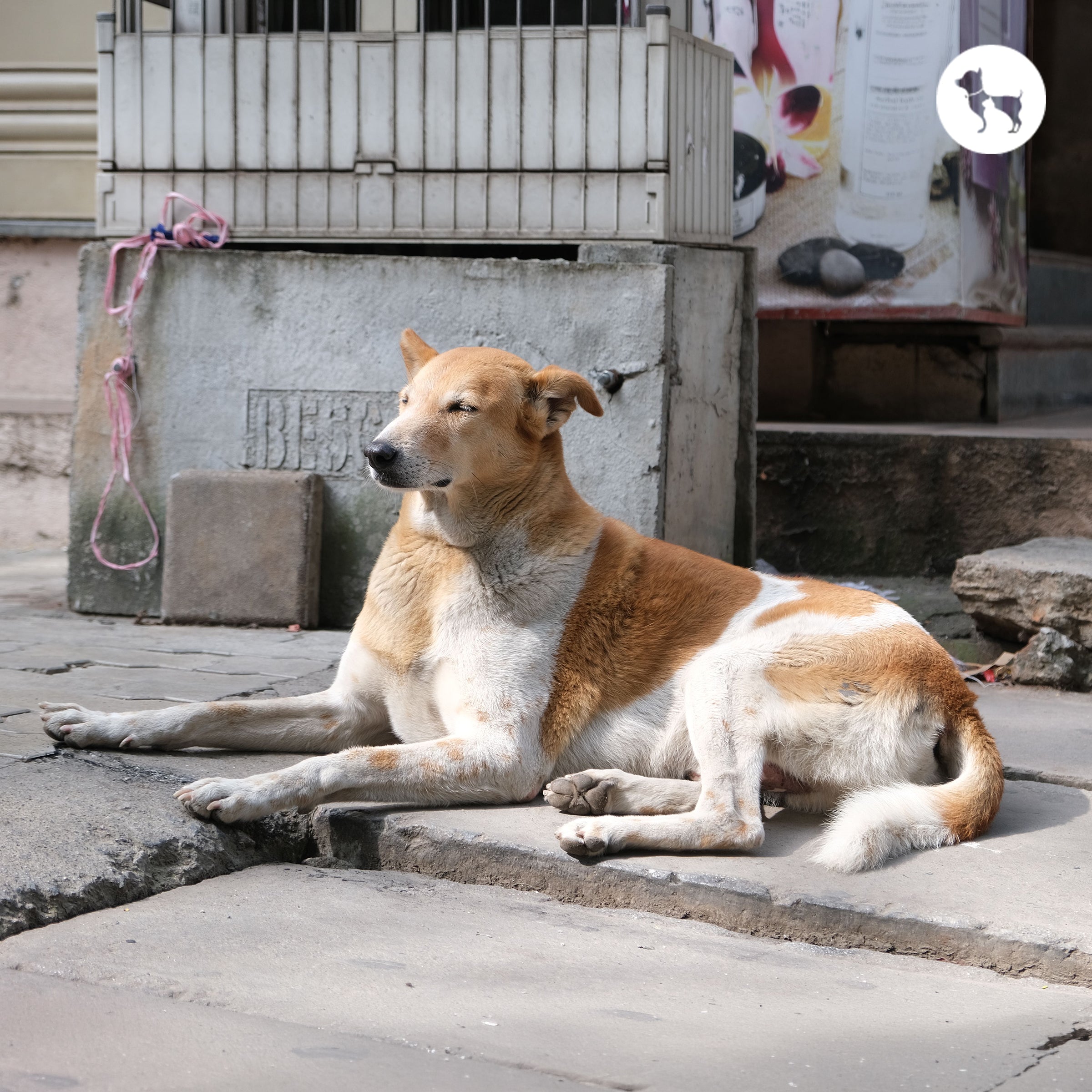
India is home to some of the world's oldest and most fascinating dog breeds, yet many remain largely forgotten today. Native dogs like the Chippiparai, Rampur Greyhound, Kombai, Kanni, and Himalayan Sheepdog have been loyal companions to Indian communities for generations.
Bred for hunting, guarding, herding, and protection, these dogs are known for their intelligence, endurance, and ability to thrive in local conditions. Each breed carries a unique history that reflects the culture and traditions of the regions they come from.
Sadly, changing lifestyles and the growing popularity of imported breeds have pushed many of these indigenous dogs into obscurity. Let's discover these remarkable Indian breeds and the legacy they continue to represent.

This sleek sighthound has been part of Tamil Nadu's hunting tradition for generations, and its build explains exactly why.
The Chippiparai takes its name from a village near Virudhunagar, where local property sellers and hunting communities traditionally bred it for chasing hare and wild boar. A few defining traits:
A lean, muscular body built for short bursts of speed, similar to a smaller Greyhound
Sharp eyesight and a strong prey drive inherited from its hunting past
Short coats in fawn, silver, or black that need very little grooming
Reserved behaviour with strangers, paired with deep loyalty to one family or handler
This isn't a dog suited to being chained up in a backyard. Chippiparais need daily exercise and mental engagement; pent-up energy can show up as restlessness or excessive barking.

The Rampur Greyhound was developed in the princely state of Rampur, Uttar Pradesh, by crossing the Afghan Hound (Tazi) with the English Greyhound. The aim was to combine the Tazi's resilience in harsh weather with the Greyhound's raw speed, producing a dog capable of hunting wild boar and jackal across open ground. Some recognisable features:
A distinctive curved nose profile, often described as "Roman," with small folded ears
A deep chest and long legs designed for sudden bursts of speed and sharp turns
Coat colours ranging from black and fawn to brindle, sometimes with white markings
Sharp intelligence combined with an independent streak that responds best to patient, consistent training
Royal patronage for this breed largely ended decades ago, and without a structured national breeding programme to replace it, the Rampur Greyhound is now considered critically rare.

Chippiparai and Rampur Greyhound aren't the only Indian breeds slipping into obscurity. A few others deserve more attention, too.
Rajapalayam: A striking white sighthound from Tamil Nadu, historically kept by zamindars to guard estates and hunt wild boar, known for its alertness and a distinctively pigmented nose that breed standards specifically call out.
Mudhol Hound: Also called the Caravan Hound, this Karnataka native is agile enough that paramilitary forces have used it for tracking and guarding duties.
Kombai: A sturdy, mastiff-type guardian from Tamil Nadu, traditionally used to protect estates and assist in boar hunts, best suited to firm, experienced handlers.
Bakharwal Dog: A large livestock guardian from Jammu & Kashmir, bred by the Bakarwal shepherd community to protect sheep and goats from leopards and wolves in harsh mountain terrain.
|
Breed |
Origin |
Type |
Height (approx.) |
Best Suited For |
|
Chippiparai |
Tamil Nadu |
Sighthound |
25-30 inches |
Active owners, secure yards |
|
Rampur Greyhound |
Uttar Pradesh |
Sighthound |
25-30 inches |
Experienced sighthound owners |
|
Rajapalayam |
Tamil Nadu |
Sighthound/Guardian |
25-30 inches |
Property guarding, experienced handlers |
|
Mudhol Hound |
Karnataka |
Sighthound |
23-28 inches |
Active, working-dog roles |
|
Kombai |
Tamil Nadu |
Guardian |
24-27 inches |
Farms, firm and experienced handlers |
|
Bakharwal Dog |
Jammu & Kashmir |
Livestock guardian |
26-30 inches |
Cold climates, rural settings |
A few clear reasons explain why native Indian breeds keep losing ground to imported ones.
Rental housing and apartment societies often restrict dogs by size or breed, and most of these are mid-to-large dogs
There's no large-scale, organised breeding programme for most of these dogs, which shrinks genetic diversity over time
Many pet parents wrongly assume "indigenous" means harder to train or less suited to home life
If you're considering one of these breeds, a few practical points will make the transition smoother.
Space and exercise: Sighthounds like the Chippiparai, Rampur Greyhound, and Mudhol Hound need a securely fenced area to run, not just leash walks.
Prey drive: These dogs were bred to chase, so introductions to cats or smaller pets need to happen slowly and under supervision.
Early socialisation: Guardian breeds like Kombai and Bakharwal Dog are naturally protective, so early exposure to different people and situations matters.
Grooming: Most of these breeds carry short, low-maintenance coats, but a regular brushing routine still helps with shedding and skin health.
India's native dog breeds carry decades, sometimes centuries, of working history in their genes. The Chippiparai's speed, the Rampur Greyhound's resilience, and the quiet vigilance of breeds like the Bakharwal Dog aren't traits that need to be imported from anywhere else. If you're considering bringing one of these dogs home, get familiar with their specific needs first, especially around exercise, early socialisation, and diet.
Heads Up For Tails has all the required pet supplies for nutrition and care essentials, suited to active, lean breeds like these. A visit to your nearest HUFT store is a good way to get hands-on guidance on what your dog will actually need!
The breed lost most of its support once royal patronage ended, and there's never been a structured breeding programme to take its place. The few remaining bloodlines are concentrated in small pockets of Uttar Pradesh and Rajasthan.
It depends on the breed and how they're raised. Guardian breeds like Kombai can be protective of children within their own family but cautious around unfamiliar kids. Sighthounds tend to be more reserved overall and do best with calm, structured introductions.
Most need more space than a typical apartment offers, given their size and exercise requirements. A house with a secure yard, or regular access to a safe open area for running, works far better.


 Dog
Dog
 Cat
Cat


 Youtube
 Facebook
 Instagram
 Linkedin