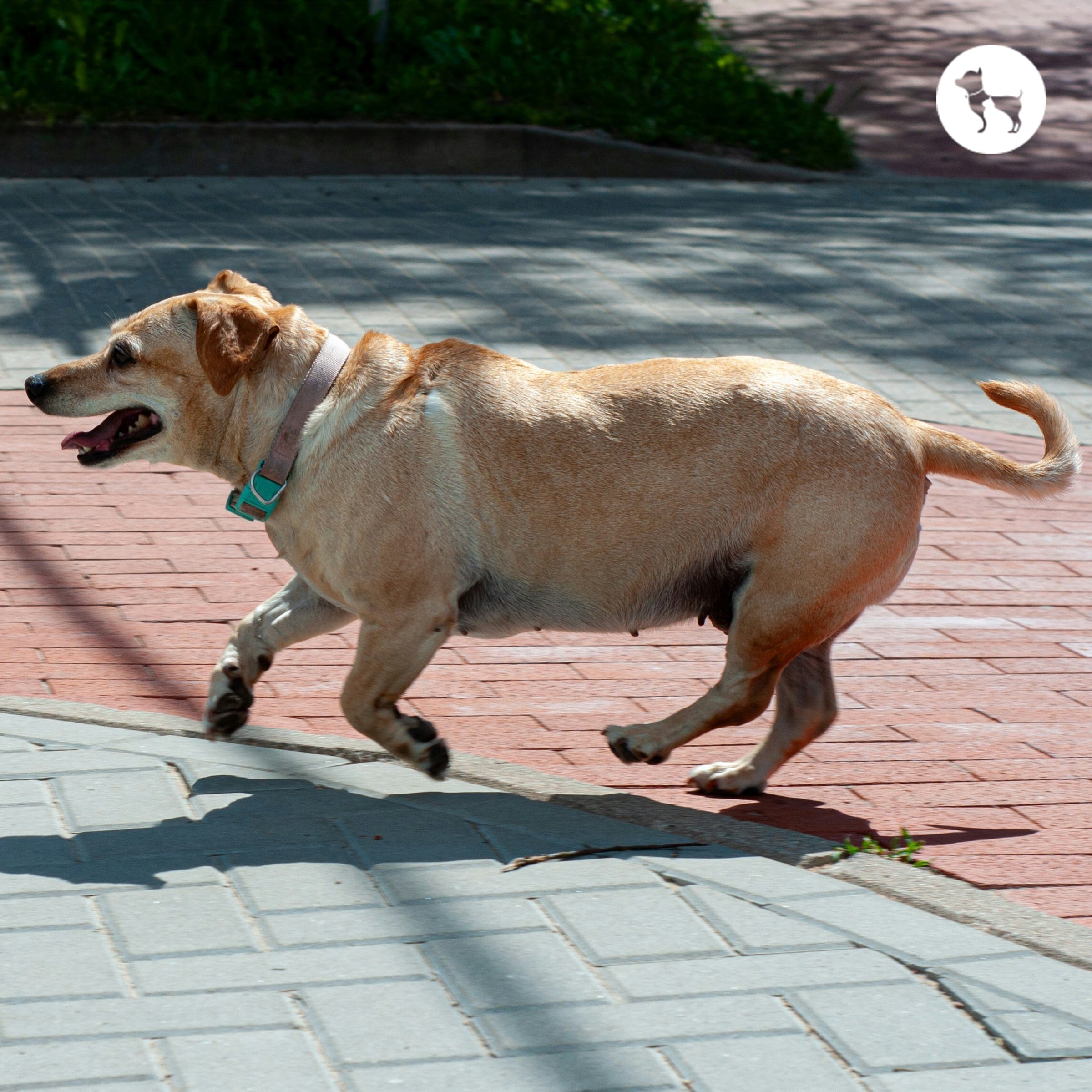
One moment, your dog is happily playing or resting after dinner. A short while later, they're restless, uncomfortable, and facing a life-threatening emergency. That's the frightening reality of Gastric Dilatation-Volvulus (GDV), commonly known as bloat. This condition occurs when a dog's stomach fills with gas and twists, cutting off blood flow and sending the body into shock.
What makes GDV particularly dangerous is its speed; without immediate treatment, it can become fatal within hours. Studies have found that large and giant-breed dogs can have a lifetime GDV risk of up to 24%, making awareness critical for pet parents.
In this guide, we'll explain the symptoms of dog bloat, emergency warning signs, prevention tips, and when to seek urgent veterinary care.

The name itself describes two separate problems happening one after another, and understanding that sequence matters.
Gastric Dilatation means the stomach fills with gas, food, or fluid and expands well beyond its normal size. In some cases, dilatation occurs on its own, and the dog can still pass gas or vomit, which relieves the pressure.
Volvulus is what happens next, and it's the dangerous part: the distended stomach rotates on its own axis, sealing off both entry and exit points. Once that twist happens, nothing goes in or out, and the trapped gas keeps building.

Unlike most conditions, where you have a day or two to consult a vet, GDV doesn't allow that window, and the reason comes down to blood supply.
When the stomach twists, it pinches off the blood vessels feeding it, along with the spleen, which sits right next to it. Tissue starts dying within hours from a lack of oxygen. The bloated stomach also presses against the diaphragm, making it harder for the dog to breathe, and against major veins, which drops blood pressure throughout the body. Left untreated, GDV is fatal in nearly all cases, usually within hours of the twist occurring.
Spotting the signs of bloat early can make a significant difference in your dog's chances of recovery. Watch for these common symptoms:
A swollen, hard, or distended abdomen, especially noticeable behind the ribs
Repeated retching or attempts to vomit that produce little or nothing
Foamy saliva or small amounts of foam coming up during retching
Restlessness, pacing, or difficulty settling down
Excessive drooling accompanied by signs of anxiety or discomfort
Rapid, shallow breathing as the enlarged stomach presses against the lungs
As the condition worsens, more serious signs may appear:
Pale, grey, or white gums
Increased heart rate
Weakness, particularly in the hind legs
Difficulty standing or walking
Collapse or loss of consciousness
If your dog shows any combination of these symptoms, seek immediate veterinary care. Bloat is a medical emergency and should never be monitored at home overnight.
Certain dogs are more likely to develop GDV than others. Risk factors include:
1. Large and giant dog breeds
2. Deep-chested breeds, whose body structure allows the stomach to twist more easily
3. Popular at-risk breeds in India, including:
4. Dogs over five years of age
5. Dogs with a family history of bloat or GDV
6. Fast eaters who gulp down food quickly
7. Dogs that regularly eat large meals in one sitting
8. Nervous, anxious, or highly stressed dogs
9. Dogs with a history of digestive issues or excessive gas
While GDV can affect any dog, pet parents of large and deep-chested breeds should be especially aware of the warning signs and preventive measures.
Some everyday routines can increase your dog's risk of developing bloat without pet parents realising it:
Feeding one large meal a day instead of two or three smaller meals
Allowing dogs to eat too quickly or gulp their food
Competition during mealtimes in multi-pet households leads to faster eating
Vigorous exercise, running, or active play within an hour before or after meals
High excitement or stress around feeding time
Frequent overeating or consuming large amounts of food at once
Drinking excessive amounts of water immediately after eating
Using elevated or raised food bowls for large and giant breeds
Important: Raised food bowls were once thought to help prevent bloat, but research has linked elevated feeding to a higher risk of GDV in large and giant dogs. Unless recommended by your veterinarian for a specific medical condition, floor-level feeding is generally considered the safer option.
Simple daily habits can help reduce your dog's risk of developing bloat:
Divide your dog's daily food into two or three smaller meals instead of one large meal
Use a slow-feeder bowl if your dog eats too quickly
Create a calm feeding environment to discourage gulping and competition between pets
Allow at least 60 minutes of rest before and after meals
Avoid running, jumping, vigorous exercise, or excited play around mealtimes
Make dietary changes gradually rather than switching foods suddenly
Monitor your dog for signs of digestive discomfort, excessive gas, or bloating
Ensure fresh drinking water is available throughout the day instead of encouraging large amounts at once
Maintain a healthy weight through balanced nutrition and regular exercise
Speak with your veterinarian about preventive gastropexy if you own a high-risk breed such as a Great Dane, Saint Bernard, or other giant breed
Consistently following these preventive measures can significantly lower the likelihood of GDV and support your dog's long-term health.
If you notice signs of bloat, act immediately. Follow these steps:
Contact your veterinarian or nearest emergency animal clinic right away
Call ahead so the veterinary team can prepare for your arrival
Transport your dog to the clinic as quickly as possible
Keep your dog calm and minimise movement during the journey
Do not offer food or treats
Do not give water unless specifically instructed by a veterinarian
Do not administer any medications or home remedies
Do not wait to see if the symptoms improve on their own
Avoid monitoring your dog at home overnight
Remember: GDV is a life-threatening emergency. Prompt veterinary treatment can significantly improve your dog's chances of survival and recovery.
Bloat isn't a condition you can outsmart with timing or instinct alone; it requires knowing the warning signs and acting on them without delay. If you share your home with a large or giant breed dog, building the right feeding habits now, slower meals, rest after eating, and the right bowl, makes a real difference.
Heads Up For Tails carries slow-feeder bowls and other feeding essentials suited to at-risk breeds, available online and at HUFT stores across India. A quick visit to your nearest store can help you find the right fit for your dog's specific needs.
It's far less common, but not impossible. GDV is overwhelmingly seen in large and giant breeds with deep chests, though isolated cases in smaller dogs have been documented.
No. A full stomach settles within a few hours, and the dog behaves normally. Bloat involves visible distension, distress, and unproductive retching, and it worsens rather than improves over time.
Without treatment, dogs can die within a few hours of the stomach twisting, since the blood supply to vital organs is cut off almost immediately.
No. There's no safe home remedy for GDV. Attempting to manage it without veterinary intervention wastes critical time that the dog doesn't have.
Stress doesn't cause bloat directly, but anxious or nervous temperaments are associated with a higher risk, possibly because stressed dogs eat faster or swallow more air.


 Dog
Dog
 Cat
Cat


 Youtube
 Facebook
 Instagram
 Linkedin