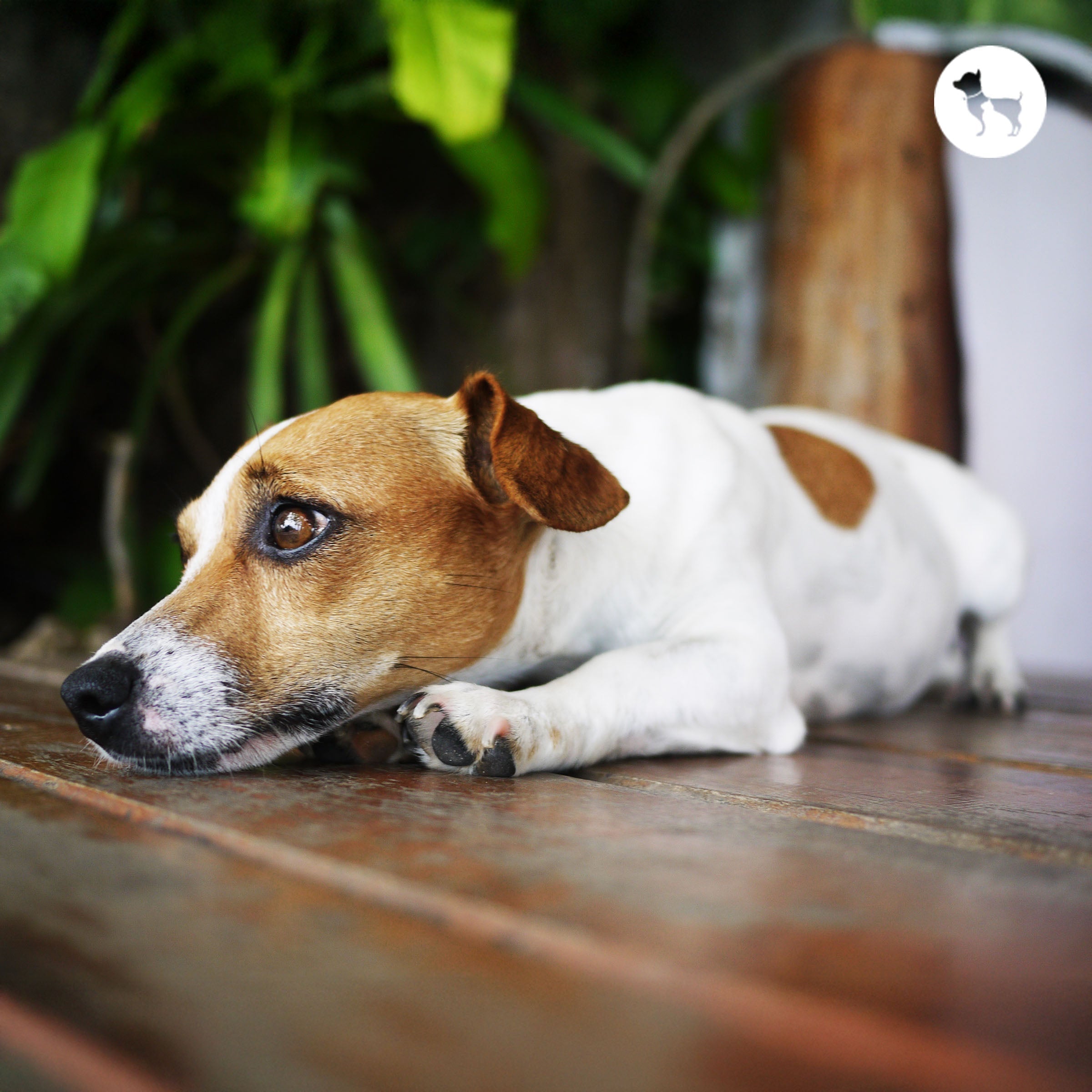
Dogs feel emotions just as deeply as we do - joy, excitement, confusion, fear, and yes, anxiety too. But they cannot use words to express what’s going on inside like we humans. Their anxiety shows up through behaviour, body language, and changes in daily routines.
Many dogs live with quiet signs of anxiety long before it becomes intense. Understanding these early patterns helps you protect your dog’s emotional well-being and prevent things from escalating.
In this blog, you’ll find everything about anxiety in dogs, like what causes it and the most reliable ways to ease it.

Anxiety in dogs is a stress response that appears when they feel overwhelmed, unsafe, or unsure about their environment. It can be triggered by different things like separation from their family, loud noises, sudden changes in routine, or past trauma.
Recognising these patterns helps you understand what your dog is trying to communicate. Once you identify the cause, you can take simple steps to make their daily environment feel safe and comforting again.

Dogs experience anxiety for several reasons, and understanding why it happens is the first step toward helping them feel secure again. Here are the most common factors causing anxiety in dogs:
Fear-driven anxiety happens when a dog encounters something they perceive as threatening. This can include sudden movements, unfamiliar objects, or stressful situations such as car rides or visits to the vet. The body responds with adrenaline, causing panting, pacing, trembling, or hiding. Some dogs outgrow these fears, while others need behaviour training and slow habituation to feel safe.
Dogs form deep emotional bonds with their families, so being left alone can cause intense stress for some. Separation anxiety often shows up as barking, howling, destructive chewing, house soiling, or door scratching within minutes of a parent leaving. It usually stems from insecurity, lack of routine, or a sudden schedule change. Through training, enrichment, and gradual independence-building, most dogs feel more confident over time.
Fireworks, thunderstorms, pressure cookers, and traffic are common noise triggers. These sounds trigger a dog’s fight-or-flight response, causing shaking, drooling, or attempts to escape. Noise-sensitive dogs are aided by soundproofed spaces, calming music, or white noise, and in some cases, vet-prescribed anxiety management tools.
A new home, travel, or even rearranged furniture can overwhelm certain dogs. They rely heavily on familiar scents and routines, so unfamiliar spaces can trigger anxiety until they feel settled. Allowing them to explore at their own pace, maintaining consistent feeding times, and creating a “safe zone” can ease the transition.
Not all dogs are naturally social. Some feel anxious when confronted with strangers, human or animals. This response often comes from limited socialisation during puppyhood or past negative encounters. Signs include backing away, growling, raised hackles, or refusal to approach. Slow introductions, positive reinforcement, and giving the dog control over interactions help reduce this form of anxiety.
Dogs with a history of neglect, harsh training, abandonment, or previous fights may carry emotional scars. Their anxiety may appear suddenly and be triggered by sounds, gestures, or environments associated with the past. These dogs need patient handling, strict routines, and gentle training techniques to rebuild trust.
Senior dogs can develop canine cognitive dysfunction (similar to dementia in humans). Disorientation, disturbed sleep cycles, sudden clinginess, or confusion can all lead to anxiety. They may pace, whine, or become restless at night. Early diagnosis and supportive care, like mental stimulation, supplements (as advised by vets), and structured routines, help slow progression and reduce stress.
Certain health issues can directly trigger or worsen anxiety in dogs. Chronic pain, whether from dental disease, arthritis, neurological problems, or gastrointestinal discomfort, creates constant stress that affects their behaviour and emotional state.
Dogs show their stress through behaviour long before they get overwhelmed. Here are some common symptoms of anxiety in dogs:
Trembling, shaking
Tail tucked, ears pulled back
Excessive yawning or lip licking
Pacing or inability to settle
Destructive chewing (especially doors, pillows, furniture)
Continuous barking or whining
Sudden clinginess or “velcro dog” behaviour
Escaping or hiding in corners
Loss of appetite
Diarrhoea or vomiting during stressful events
Excessive shedding
Drooling or panting even in normal temperatures
Trouble sleeping
Unwillingness to go for walks
Refusal to enter certain rooms or areas

Anxiety in dogs does not appear overnight; it often builds slowly through unfamiliar experiences, unaddressed stress, and lack of routine. The good news is that mindful habits at home can significantly reduce the chances of anxiety developing in the first place. Here are some key ways to reduce or prevent anxiety in dogs:
Introduce your puppy or adult dog to everyday sights and sounds such as doorbells, car rides, other dogs, delivery people, umbrellas, and different surfaces. Keep every interaction positive and low-pressure. This early exposure creates resilience and teaches them that new experiences are nothing to fear.
Dogs feel secure when their life follows a predictable pattern. Feed, walk, play, and rest at roughly the same times each day. This structure reduces uncertainty and helps dogs understand what to expect next, one of the easiest ways to prevent stress-related behaviours.
Training that uses treats, praise, or toys teaches your dog in a way that feels safe and enjoyable. Positive reinforcement builds trust, strengthens your bond, and avoids the fear-based reactions that punishment often triggers. A well-trained, confident dog is naturally less anxious.
Dogs need more than just a daily walk. Rotate puzzle feeders, offer chew treats, incorporate sniffing trails into walks, and include short, fun training sessions. These activities stimulate their brain, burn energy, and prevent boredom, a major cause of anxiety in many dogs.
Loud noises, constant scolding, and overstimulation can overwhelm dogs. Keep a quiet space where your dog can retreat when they need alone time, such as a comfortable bed, den-like corner, or crate (if they enjoy it). A peaceful home sets the foundation for a calm mind.
Instead of avoiding your dog’s fears completely, help them build tolerance slowly. Play low-volume recordings of fireworks, let them observe new visitors from a distance, or introduce new surroundings step-by-step. Controlled exposure prevents sudden fear responses and stops phobias from forming.

When anxiety becomes frequent, intense, or starts affecting your dog’s daily life, a veterinarian’s guidance is essential. Vets treat symptoms and help identify the root cause, rule out medical conditions, and create a personalised treatment plan. Here are the most common veterinarian-approved treatments used to manage moderate to severe anxiety in dogs:
Veterinarians often recommend working with a certified canine behaviourist who uses science-based techniques such as habituation and counterconditioning. These methods teach your dog to respond calmly to triggers and gradually reshape their emotional reactions. It’s one of the most effective long-term solutions for chronic anxiety.
For dogs with intense panic, noise phobias, or separation anxiety, vets may prescribe short-term or long-term anti-anxiety medication. These medicines help balance brain chemicals responsible for stress, allowing your dog to learn new behaviours without being overwhelmed by fear. Medication is never a stand-alone fix; it works best alongside training and environmental changes.
Veterinarians may suggest calming chews, omega-3 fatty acids, herbal blends, probiotic formulas, or pheromone diffusers to support emotional stability. These options are ideal for dogs with mild anxiety or as part of a layered treatment plan for moderate cases. They help reduce tension and improve resilience to daily stressors.
Sometimes anxiety is triggered or worsened by pain, neurological problems, hormonal imbalances, or sensory decline (especially in senior dogs). A vet will examine your dog thoroughly and treat conditions like arthritis, dental pain, thyroid disorders, or cognitive dysfunction. Addressing these issues often leads to a noticeable improvement in anxiety symptoms.
Vets often create a personalised plan that includes:
For older dogs with age-related cognitive decline, vets may recommend brain-supportive diets, cognitive supplements, structured routines, and gentle mental stimulation. These strategies help maintain awareness, reduce confusion, and prevent anxiety linked to ageing.
As you build that gentle, reassuring world for your dog, choosing the right daily essentials makes a difference too. HUFT offers a thoughtful selection of toys, treats, calming accessories, grooming products, and nutritious food options that support comfort and confidence in everyday life. Because when dogs feel safe, they truly thrive!
Mild anxiety may improve with routine, exercise, and positive experiences, but moderate to severe anxiety usually requires structured training or vet guidance to prevent it from worsening.
Not always. Behavioural training and environmental management work for many dogs. Medication is recommended only for severe or long-standing anxiety and must be prescribed by a vet.
They can help mild anxiety by promoting relaxation, especially when combined with training. Look for vet-approved formulations and use them as part of a broader plan.


 Dog
Dog
 Cat
Cat


 Youtube
 Facebook
 Instagram
 Linkedin