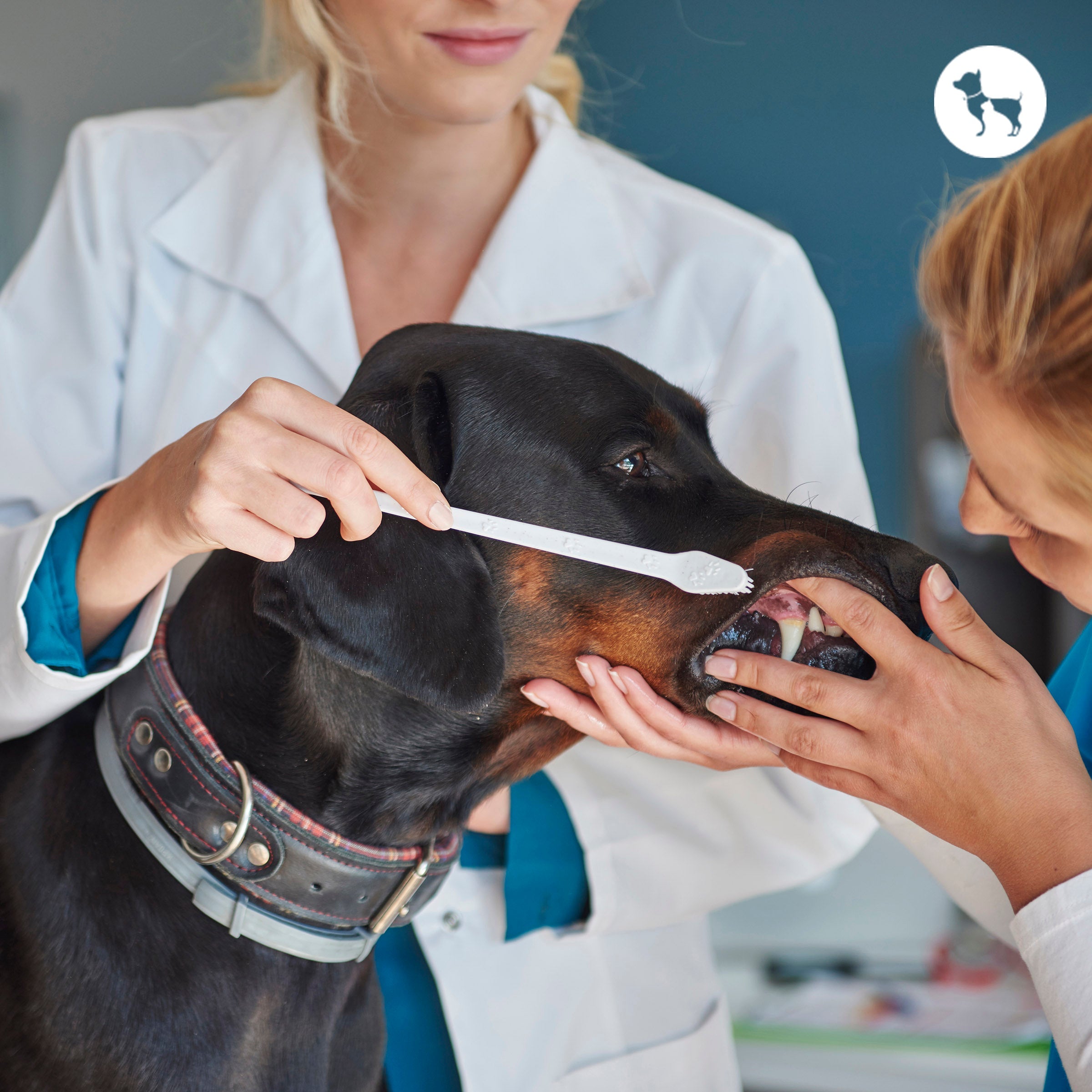
Ever leaned in for a cuddle and suddenly caught that sharp, sour whiff from your dog’s mouth? Bad breath is not just an annoyance, but also an early sign of dental problems in dogs. Gum disease affects most dogs by the age of three, and what begins as mild plaque can progress into painful infection, tooth loss, and even damage to the heart and kidneys.
Good news? Preventing dental issues in dogs does not require any complicated procedures. A daily dental routine keeps your dog’s mouth healthy for years and reduces costly vet visit.
Now, let’s explore why it is important and the steps vets wish every pet parent followed!

A consistent routine removes food particles and prevents plaque, which hardens into tartar within 24-72 hours. Once tartar forms, only a professional cleaning at the vet can remove it. Ignoring dental hygiene increases the risk of:
Periodontal disease
Chronic pain
Difficulty eating
Bacterial infection
Immune response complications

Here are simple, daily steps you can follow to keep your dog’s teeth and gums healthy, prevent plaque build up, and maintain fresher breath all day long.
Begin with a brief check of your dog’s mouth. Pay attention to breath odour, gum colour, and any visible tartar along the gumline. Notice signs such as swelling, bleeding, broken teeth, or excessive drooling.
If your dog shows persistent discomfort or refuses food, pause home care and consult your veterinarian. Early attention prevents minor concerns from developing into painful infections.
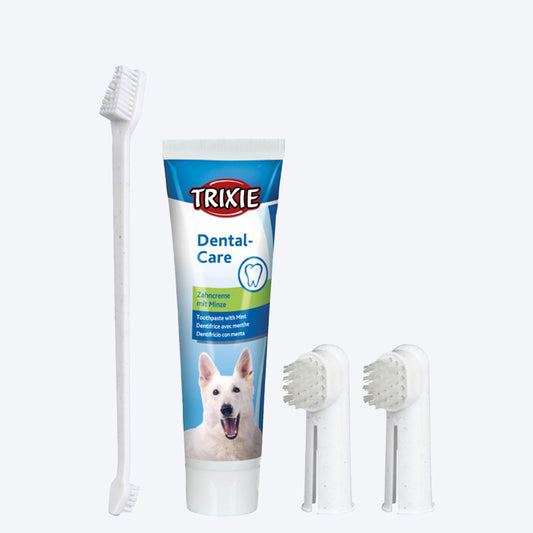
Brushing is the gold standard for preventing plaque and tartar. Use a toothbrush designed for dogs and canine-safe toothpaste.
Gently brush along the gumline in circular motions, keeping sessions calm and positive. Aim for one to two minutes daily, even small, consistent efforts protect dental health over time.
Dental chews provide mechanical cleaning as your dog chews, scraping away soft deposits and stimulating saliva to reduce bacteria. Choose vet-approved chews designed to limit tartar formation. Avoid overly hard items such as bones, antlers, or hooves, which can fracture teeth.
Additives mixed into drinking water can help reduce bacteria throughout the day. Follow dosage instructions carefully and provide fresh water daily. While beneficial, water additives should complement brushing rather than replace it.
Chew toys are a natural way to help reduce plaque build-up while providing mental stimulation. Look for durable, textured toys designed to clean hard-to-reach areas and massage the gums. Avoid materials that can splinter or wear down enamel, and rotate toys to keep your dog engaged.
For dogs who dislike brushing, oral sprays and gels offer helpful support. These products contain veterinary-approved enzymes or antiseptic agents that reduce bacteria and improve breath. Apply according to instructions, ideally alongside brushing for best results.
Certain kibbles are formulated with textures and fibres that help clean teeth during chewing. A diet free of added sugars and balanced in nutrients supports oral health by reducing harmful bacteria. Ask your veterinarian for recommendations based on your dog’s breed, age, and dental history.
Even with diligent home care, regular professional cleanings remain essential. Under anaesthesia, your veterinarian will remove tartar beneath the gumline, polish the teeth, and examine for hidden issues such as fractures or root infections. Many dogs require annual cleanings, depending on their individual dental health.

Make a vet appointment if you see:
Refusal to eat or chewing on one side only
Pawing at the mouth
Sudden foul odour
Pus around teeth or gums
Bleeding that doesn’t stop
Caring for your dog’s teeth may not sound a big deal, but the long-term benefits are enormous. When plaque and tartar stay under control, dogs eat more comfortably, and stay active.
What helps most is consistency: a few minutes of brushing, the right dental aids, and routine vet checks. HUFT carries thoughtfully chosen dental care tools like brushes and toothpaste to make these habits easier at home, helping you protect your dog’s smile.
Most dogs show early signs of plaque by age 3, even if their teeth look fine. Daily care prevents build-up before symptoms appear. It’s easier to maintain clean teeth than treat dental disease later.
Start slowly by letting them lick toothpaste off your finger. Gradually introduce the brush and short sessions. Over time, build consistency rather than forcing it.
Human toothpaste contains ingredients toxic to dogs, like fluoride and xylitol. Always use toothpaste formulated for pets. It’s designed to be swallowed safely.
Yes, wipes remove surface bacteria and are easy to introduce. They work as a gentle starting point or travel alternative. Over time, transition to brushing for deeper cleaning.


 Dog
Dog
 Cat
Cat


 Youtube
 Facebook
 Instagram
 Linkedin