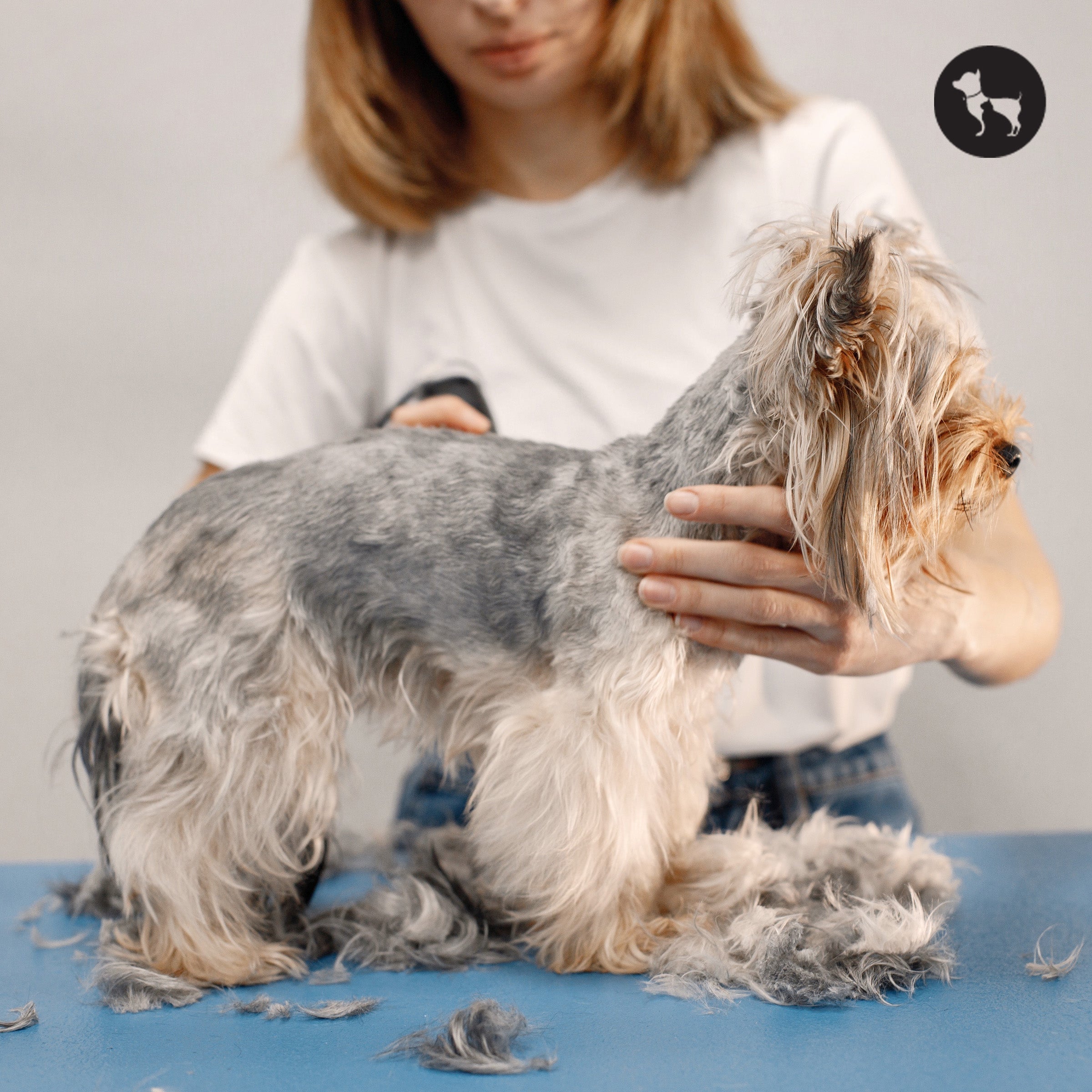
Hair fall in dogs is more common than most pet parents realise. A little shedding is normal, but when you start noticing tufts of fur on the floor, thinning patches, or your dog itching more than usual, it’s a sign that something deeper may be going on. As responsible pet parents, understanding why hair fall happens and how to manage it early makes a world of difference to your dog’s comfort, confidence, and overall health.
This blog breaks down the causes, symptoms, and treatments so you can support your furry family member with care and love.
Yes, to an extent. Dogs shed seasonally or throughout the year, depending on their breed, climate, and coat type. But excessive hair fall, especially when accompanied by itching, redness, bald patches, or a dull coat, is your cue to pay attention.

Here are the most common reasons your dog may be losing more fur than usual.
Allergies are one of the leading causes of hair loss. Dogs may react to:
Chicken, wheat, corn, dairy, soy
Dust mites, pollen, grasses
Chemicals, shampoos or cleaning sprays
Allergic reactions usually lead to itching, redness, scabs, and eventually hair loss. If your dog scratches or licks the same area repeatedly, allergies could be one of the top reasons.
Parasites don’t just irritate the skin; they can trigger intense itching and infections.
Flea saliva causes flea allergy dermatitis (FAD), a major cause of patchy hair loss.
Mange mites burrow into the skin, leading to severe bald spots, crusting, and inflammation.
If you notice hair loss around the tail base, elbows, or belly, check for fleas and mites first.
Many low-quality diets focus on fillers rather than real nutrients, which quickly reflects on the skin and coat. Hair health begins from within. If a dog’s diet lacks the following, their coat naturally becomes brittle, dull, and more prone to shedding.
Omega-3 & 6 fatty acids
High-quality animal protein
Essential vitamins (A, E, B complex)
Certain conditions can cause symmetrical hair loss, weight gain, or lethargy. These need veterinary diagnosis and long-term management. Those are:
Hypothyroidism
Cushing’s disease
Reproductive hormone imbalance
Bacterial, fungal, and yeast infections can cause noticeable hair fall, and they rarely stay hidden for long. These infections often begin with small signs, which are redness, itching, or a warm patch of skin, and can quickly develop into circular bald spots, scabs, or an unpleasant odour.
You may also see moist, flaky, or thickened skin, especially in areas where your dog scratches or licks repeatedly. When the skin barrier is compromised like this, hair roots weaken, leading to increased shedding and patchy hair loss.
Emotional stress often shows up on a dog’s coat before it becomes obvious in their behaviour. Dogs coping with anxiety may over-groom, scratch, or lick certain areas as a way to self-soothe, which gradually leads to thinning fur or small bald spots.
Triggers can vary; they can be due to a recent move, a new pet or family member, loud construction nearby, travel, or even changes in routine.
Seasonal shedding is completely natural, especially in India’s varied climate. Dogs typically shed more during weather shifts, such as the change from winter to summer, as they adjust their coat for temperature comfort.
But if you notice unusually large clumps, dull patches, or excessive hair on floors and furniture, it may signal dehydration, nutritional gaps, or an underlying skin concern that needs attention.

These are symptoms that you must look out for:
Unusual or sudden shedding
Bald patches or thinning areas
Constant scratching or biting
Redness, bumps, or rashes
Flaky, dry, or oily skin
Foul smell
Dull or coarse coat texture
Excessive licking of paws or tail

Every dog is different, so the right treatment depends on the underlying cause. Here’s what usually helps:
A wholesome, nutrient-rich diet is the heart of a healthy coat. Choose foods that list real meat first and include omega-3 and omega-6 fatty acids, antioxidants, and essential vitamins and minerals. If your dog needs extra support, your vet may recommend supplements like fish oil, skin and coat boosters, or omega chewies to naturally strengthen their fur.
Routine grooming keeps shedding under control and boosts skin health. Brushing removes loose fur, improves circulation, and prevents matting. Use a bristle brush for short coats, a slicker brush for long coats, and a de-shedding tool for double coats. Bathing with a gentle, sulphate-free shampoo made for sensitive skin also helps ease dryness and irritation.
Parasites are one of the quickest triggers of hair fall, so staying consistent with flea and tick protection is essential. You can use sprays, powders, spot-on treatments, or vet-approved collars. Remember to treat your dog’s bedding and favourite resting spots too, as these can harbour pests.
If your dog has fungal, bacterial, or yeast infections, medicated shampoos prescribed by a vet can bring fast relief. These formulas soothe inflammation, calm itching, and prevent recurring flare-ups when used regularly.
Anxiety can affect coat health, so keeping your dog mentally and emotionally balanced is important. Chew toys, calming diffusers, and predictable routines help reduce stress-related fur loss and make your dog feel more secure.
When coat thinning is caused by underlying conditions like hormones or infections, vets may prescribe antibiotics, antifungals, thyroid medication, allergy treatments, or topical ointments. Avoid using random products at home; dogs have delicate skin, and incorrect treatments can make the problem worse.
Seek veterinary attention if you notice:
Sudden or severe hair fall
Bald patches
Bleeding, oozing, or darkened skin
Excessive itching
Persistent foul skin smell
Behavioural changes
Hair fall in dogs is not just a cosmetic concern; it's often the body’s way of telling you something needs attention. With the right diet, grooming care, and timely vet support, most dogs recover beautifully and regain a healthy, shiny coat.
As pet parents, all we really want is for our dogs to feel comfortable and happy in their own skin. A little extra care can make a big difference, from the food they eat to the way we groom them.
If you’re looking for gentle coat-care shampoos, everyday grooming tools, or nutrition that supports skin health, HUFT offers well-curated options across the app, website, and our stores. So, what are you waiting for? Shop now!


 Dog
Dog
 Cat
Cat


 Youtube
 Facebook
 Instagram
 Linkedin