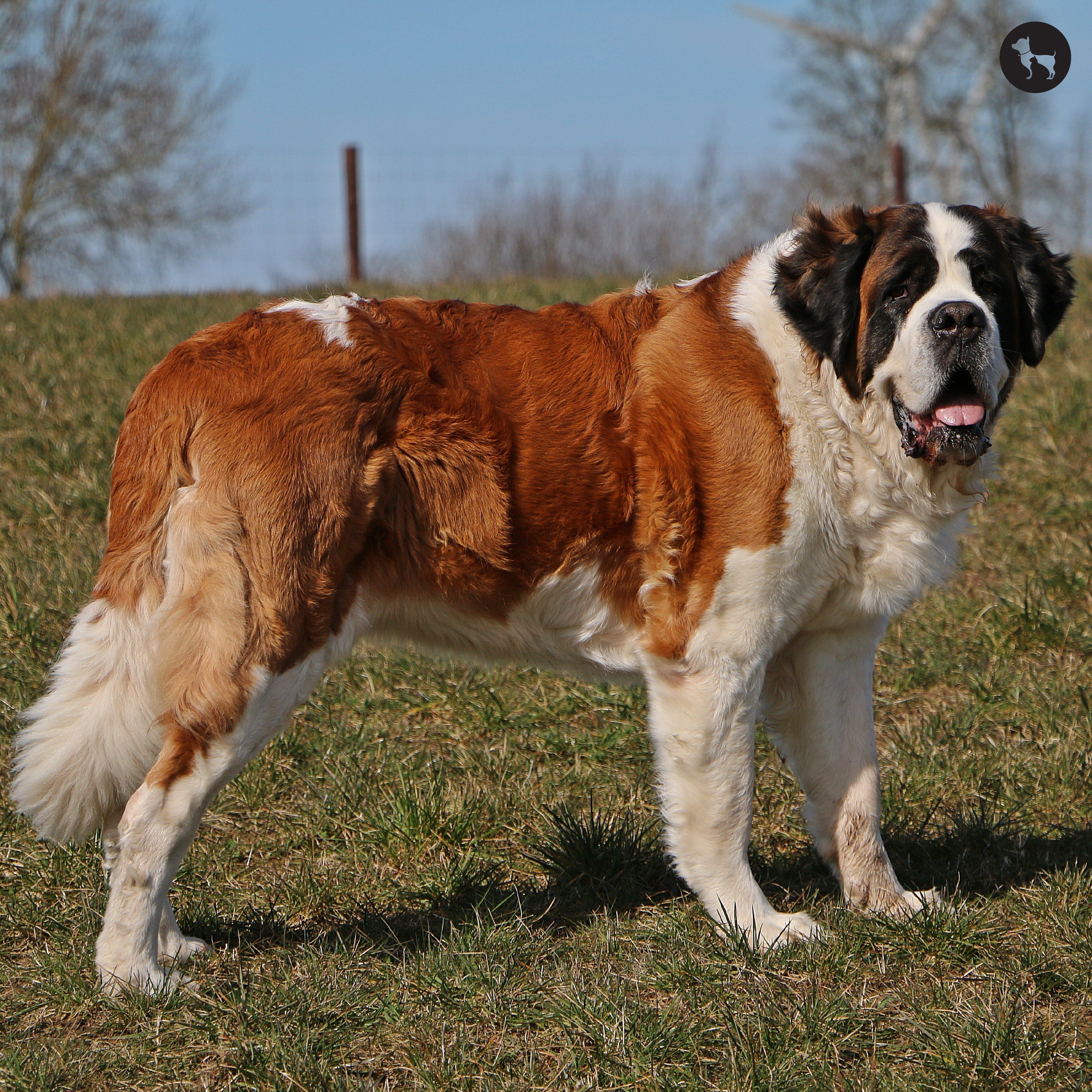
Bringing a Saint Bernard into your home means welcoming a gentle giant with a heart just as big as its paws. Known for their calm nature, deep loyalty, and affectionate personality, Saint Bernards are the kind of dogs who turn every house into a home. Despite their towering size, they are incredibly patient, loving, and famously good with families.
Originally bred as rescue dogs in the snowy Alps, Saint Bernards carry a natural instinct to protect and care for their people. Their soulful eyes, friendly demeanor, and quiet confidence make them wonderful companions for pet parents who value warmth over high energy.
In this guide, we’ll take you through everything you need to know about Saint Bernard dogs, from their temperament and lifestyle needs to grooming, health, and daily care.
 ₹3,590
₹3,160
12%
off
₹3,590
₹3,160
12%
off
 ₹3,840
₹3,380
12%
off
₹3,840
₹3,380
12%
off
The Saint Bernard breed has a one-of-a-kind history that reflects its incredible loyalty and service. Originating in the Swiss Alps, these gentle giants were bred by the monks at the Great St. Bernard Hospice in the 27th century. Their primary role was to serve as rescue dogs, bravely navigating snow-covered mountains to save lost travellers. With their keen sense of smell and endurance, they became heroes in harsh conditions, earning their legendary status.
Popular for their size and strength, Saint Bernards were the perfect companions for these life-saving missions. Over time, their affectionate nature and calm temperament made them beloved family pets. Whether pulling sledges or offering companionship, their journey from rescue dogs to adored pets showcases their remarkable versatility and unwavering bond with humans.
₹3,590
₹3,160
12%
off
₹3,840
₹3,380
12%
off

Training a Saint Bernard requires consistency, patience, and a lot of positive reinforcement. These dogs are gentle, intelligent, and eager to please, making them relatively easy to train when started at an early age. Incorporating dog treats during training sessions can be a great way to motivate and reward them for good behaviour.
When it comes to exercise, Saint Bernards need daily moderate activities like walks or playtime to maintain their health. Despite their size, they are not overly energetic but enjoy strolls and short bursts of play. Avoid strenuous activities in hot weather, as they can easily overheat due to their thick coat. A balanced routine of training and exercise ensures they stay happy, healthy, and well-behaved.

A proper balanced and nutritious diet is essential for keeping a Saint Bernard happy and healthy. These large breeds require a balanced diet tailored to their size, activity level, and age. High-quality dog food rich in protein will support their muscle development and overall energy needs.
Saint Bernards are prone to weight gain. Therefore, it is imperative to control the portion. Divide their meals into two or three portions to prevent bloating or other common issues in large breeds. To be cautious, you can always consult with your vet to understand the dietary requirements of your dog.

Saint Bernards are popular for their thick, double coats, which require regular grooming to keep them healthy and free of tangles. Brushing them at least twice a week helps to manage shedding and prevents matting, especially during seasonal changes when they shed more.
₹3,590
₹3,160
12%
off
₹3,840
₹3,380
12%
off
Saint Bernards are gentle giants, but their large size and rapid growth can make them prone to certain health concerns. Knowing what to watch for, and how to manage it early can help you in keeping your dog comfortable and happy.
Due to their heavy build, Saint Bernards are especially prone to joint misalignment, which can cause stiffness, limping, or difficulty getting up. Maintaining a healthy weight is crucial, as excess weight puts added strain on their joints. Low-impact exercise like slow walks or swimming, along with joint supplements recommended by your vet, can help support mobility and reduce discomfort over time.
Large and giant breeds like Saint Bernards have a higher risk of developing bone cancer, often showing signs such as persistent limping, swelling, or sudden pain in the limbs. Early diagnosis plays a key role in improving outcomes. Regular vet visits and promptly investigating unexplained pain or swelling can help ensure timely treatment and better quality of life.
As Saint Bernards age, joint wear and tear can lead to arthritis, making movement painful and slow. Orthopaedic dog beds, joint-support supplements, and gentle daily movement can make a noticeable difference. Avoid slippery floors at home, as they can worsen joint strain and increase the risk of injury.
Bloat is a serious, life-threatening condition commonly seen in deep-chested breeds like Saint Bernards. Symptoms may include restlessness, a swollen abdomen, drooling, or attempts to vomit without success. Feeding smaller portions spread across the day, using slow-feeder bowls, and ensuring your dog rests after meals can significantly reduce the risk.
Saint Bernards are prone to eye conditions such as entropion, ectropion, and cherry eye, which may cause redness, discharge, or irritation. Regular eye cleaning and monitoring for any changes can help prevent infections. If you notice excessive tearing or cloudiness, consult your vet promptly to avoid long-term damage.
Heart issues like dilated cardiomyopathy can affect Saint Bernards, often developing quietly before symptoms appear. Signs may include fatigue, coughing, or reduced stamina. Routine heart check-ups, a balanced diet, and maintaining an ideal body weight can help detect concerns early and support long-term heart health.
Saint Bernards were originally bred by monks in the Swiss Alps to rescue lost travellers and are known for their lifesaving instincts.
Despite their massive size, Saint Bernards are calm, gentle, and affectionate dogs that form strong bonds with their families.
Saint Bernard puppies grow very quickly in their first year, which makes proper nutrition and joint care especially important.
Drooling is completely normal for this breed due to their loose lips and is simply part of their lovable personality.
Saint Bernards are low-energy dogs that enjoy short walks and relaxed playtime, followed by plenty of rest.
Saint Bernards are gentle giants with a big heart. Their loving nature, impressive history, and loyalty make them special companions. However, having a Saint Bernard comes with responsibilities, including understanding their needs for proper care, nutrition, exercise, and grooming. Whether it is finding the right dog clothes to keep them comfortable or ensuring regular vet check-ups, these efforts are essential for their happiness and well-being.


 Dog
Dog
 Cat
Cat



 Youtube
 Facebook
 Instagram
 Linkedin